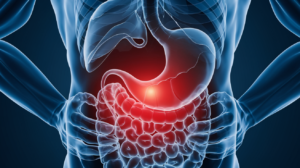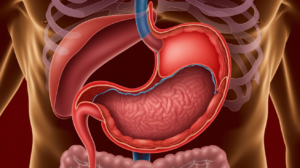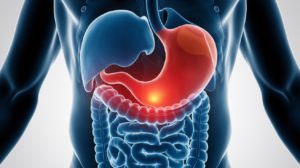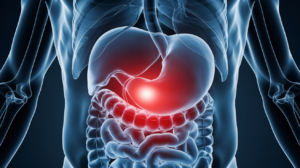
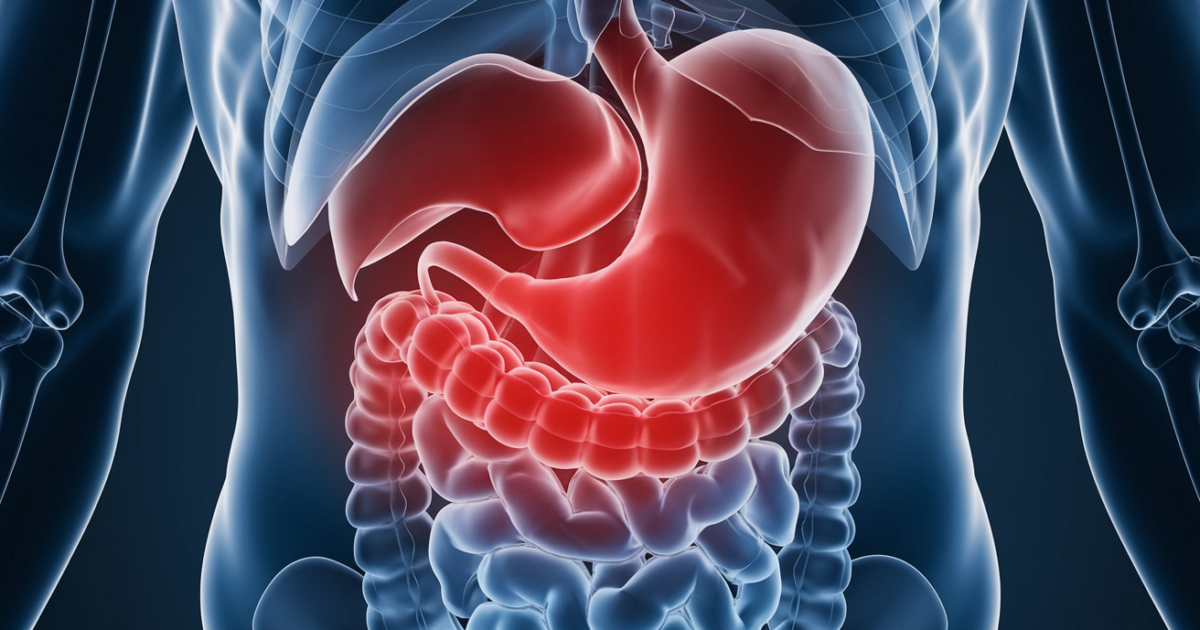
Stomach pain pressure is a common condition where people feel a heavy, squeezing, or tight sensation in their abdominal area. This uncomfortable feeling affects about 25% of adults yearly [1]. The most distinctive symptom is a deep, pressing sensation that may worsen with movement or eating. Most cases respond well to appropriate treatment.
What is Stomach pain pressure?
Stomach pain pressure refers to a specific type of abdominal discomfort characterized by a sensation of heaviness, tightness, or squeezing in the stomach region [2]. Unlike sharp stabbing pains, pressure pain feels like something is pushing down on or compressing the stomach area from the inside or outside. This condition can occur in the upper abdomen (epigastric region), lower abdomen, or throughout the entire abdominal cavity.
The medical term for Stomach pain is “dyspepsia” when it involves the upper digestive tract, while general abdominal pain falls under ICD-10 code R10.9 [3]. Pressure-type pain often indicates issues with the stomach’s ability to empty properly, inflammation of the stomach lining, or problems with nearby organs like the pancreas or gallbladder. The pain may be constant or come and go in waves.
This type of discomfort affects people of all ages but is most common in adults between 30-60 years old [4]. Women report stomach pressure pain slightly more often than men, particularly during hormonal changes. The condition can range from mild and manageable to severe enough to interfere with daily activities.
Key characteristics include:
- Feeling of fullness even when not eating
- Sensation of something heavy sitting in the stomach
- Pain that may radiate to the back or chest
- Often accompanied by other digestive symptoms
Symptoms and Warning Signs
Stomach pain pressure typically develops gradually rather than suddenly, though some people experience acute onset [5]. The symptoms can vary significantly between individuals, with some experiencing mild discomfort while others have severe pain that disrupts their daily routine. Understanding the range of symptoms helps people recognize when they need medical attention versus when they can manage the condition at home.
Most Common Symptoms
About 80-90% of people with Stomach pain pressure experience a deep, aching sensation that feels like someone is pressing down on their stomach [6]. This primary symptom often worsens after eating, especially large meals or foods high in fat. The pressure sensation may be accompanied by a feeling of fullness that persists long after meals, even when eating small amounts.
Specific common symptoms include:
- Deep, pressing pain in the upper or central abdomen
- Feeling of stomach fullness or bloating that doesn’t go away
- Nausea, especially after eating
- Belching or gas that provides temporary relief
- Mild to moderate pain that rates 3-6 on a 10-point scale
- Discomfort that may improve when lying down or changing positions
- Stomach rumbling or gurgling sounds
Less Common Symptoms
Approximately 30-40% of people with stomach pressure pain experience additional symptoms that can make diagnosis more challenging [7]. These symptoms often indicate involvement of other digestive organs or more complex underlying conditions. Some people develop these symptoms gradually over weeks or months.
Less common symptoms include:
- Pain that radiates to the back, particularly between the shoulder blades
- Heartburn or acid reflux symptoms
- Changes in bowel movements (constipation or diarrhea)
- Loss of appetite lasting more than a few days
- Mild fever (under 101°F)
- Fatigue or weakness
- Mild weight loss over several weeks
Call 911 immediately if you experience:
- Severe abdominal pain (8-10 on pain scale) that comes on suddenly
- Chest pain along with stomach pressure
- Difficulty breathing or shortness of breath
- Vomiting blood or material that looks like coffee grounds
- High fever (over 102°F) with abdominal pain
- Signs of dehydration (dizziness, dry mouth, little to no urination)
- Abdominal pain with fainting or loss of consciousness
Call 911 immediately. Do not wait.
Causes and Risk Factors
Stomach pain pressure stems from various underlying conditions, with gastritis (stomach lining inflammation) accounting for about 35% of cases [8]. Functional dyspepsia, where the stomach doesn’t work properly without clear structural problems, causes another 25% of cases. Peptic ulcers contribute to roughly 15% of stomach pressure pain, while gastroesophageal reflux disease (GERD) accounts for about 20% of cases [9].
Food-related causes are extremely common, particularly eating too quickly, consuming large meals, or eating foods that are difficult to digest. Stress and anxiety can also trigger stomach pressure pain through the gut-brain connection, affecting about 40% of people with chronic stress [10]. Medications, especially nonsteroidal anti-inflammatory drugs (NSAIDs), can irritate the stomach lining and cause pressure sensations in up to 30% of regular users.
Demographics play a role in stomach pressure pain patterns. Adults over 50 have higher rates due to age-related changes in digestion and increased medication use [11]. People with sedentary lifestyles are 60% more likely to experience digestive pressure pain compared to those who exercise regularly. Smokers have double the risk of developing stomach ulcers and related pressure pain.
Primary causes include:
- Gastritis or stomach inflammation (35% of cases)
- Functional dyspepsia (25% of cases)
- GERD or acid reflux (20% of cases)
- Peptic ulcers (15% of cases)
- Gallbladder problems (10% of cases)
- Food intolerances or allergies
- Bacterial infections like H. pylori
- Medication side effects, particularly NSAIDs
How stomach pain pressure Is Diagnosed
Healthcare providers typically begin diagnosing stomach pressure pain with a detailed medical history and physical examination [12]. During the physical exam, doctors press on different areas of the abdomen to locate the pain and check for tenderness, swelling, or masses. They’ll ask about eating patterns, medication use, stress levels, and when symptoms occur. This initial evaluation correctly identifies the cause in about 60-70% of cases.
If symptoms persist or are severe, additional testing may be necessary. Blood tests can reveal signs of infection, inflammation, or other underlying conditions. More advanced testing like endoscopy or imaging studies helps rule out serious conditions and provides a definitive diagnosis in complex cases [13]. The diagnostic process typically takes 1-3 weeks depending on symptom severity and test availability.
Common diagnostic tests include:
- Complete blood count and inflammatory markers: $150-300 (without insurance), $25-50 (with insurance)
- H. pylori breath test: $200-400 (without insurance), $30-75 (with insurance)
- Upper endoscopy: $1,000-3,000 (without insurance), $200-500 (with insurance)
- Abdominal ultrasound: $300-800 (without insurance), $50-150 (with insurance)
- CT scan of abdomen: $1,000-3,000 (without insurance), $200-600 (with insurance)
- Stool tests for bacteria or blood: $100-250 (without insurance), $20-50 (with insurance)
Treatment Options
Treatment for stomach pain pressure focuses on addressing the underlying cause while providing symptom relief [14]. Most healthcare providers start with the least invasive approaches, progressing to stronger treatments only if initial methods don’t work. The key is matching the treatment to the specific cause, as what works for acid-related pain may not help inflammation-related pressure.
| Treatment Type | Effectiveness | Time to Work | Side Effects | Monthly Cost |
|---|---|---|---|---|
| Antacids (Tums, Rolaids) | 70-80% | 15-30 minutes | Minimal, possible constipation | $10-20 |
| H2 Blockers (Pepcid, Zantac) | 75-85% | 30-60 minutes | Headache, dizziness | $15-40 |
| Proton Pump Inhibitors | 85-95% | 2-4 days | Headache, nausea, diarrhea | $30-150 |
| Antibiotics (for H. pylori) | 90-95% | 7-14 days | Nausea, diarrhea | $25-75 |
| Dietary Modifications | 60-70% | 1-2 weeks | None | $0-50 |
| Probiotics | 55-65% | 2-6 weeks | Mild bloating initially | $20-60 |
Home Remedies and Lifestyle Changes
Many people find significant relief from stomach pressure pain through simple home remedies and lifestyle adjustments [15]. These natural approaches work best for mild to moderate symptoms and can be especially effective when combined with medical treatment. The key is consistency – most home remedies need to be used regularly for several days to weeks to show full benefits.
Dietary changes often provide the most immediate relief. Eating smaller, more frequent meals reduces the workload on the stomach and prevents the overfull feeling that worsens pressure pain [16]. Avoiding trigger foods like spicy, fatty, or highly acidic items can eliminate pain triggers entirely for many people. Staying hydrated and eating slowly also significantly improve symptoms.
Evidence-based home remedies include:
- Ginger tea: Strong evidence for reducing nausea and stomach inflammation
- Chamomile tea: Moderate evidence for anti-inflammatory effects
- Warm compress on abdomen: Good evidence for muscle relaxation
- Small, frequent meals: Strong evidence for reducing pressure symptoms
- Avoiding carbonated drinks: Moderate evidence for reducing bloating
- Stress reduction techniques: Good evidence for functional digestive issues
- Elevating head while sleeping: Strong evidence for acid-related pain
What to Expect: Timeline and Prognosis
Most cases of stomach pressure pain improve within 3-7 days with appropriate treatment [17]. During the first 24-48 hours, symptoms may actually worsen slightly as the digestive system adjusts to treatment changes. By day 3-4, most people notice some improvement in pressure sensations, though full relief may take longer.
For medication-responsive conditions like acid reflux or gastritis, significant improvement typically occurs within 1-2 weeks [18]. Functional digestive issues may take 4-6 weeks to fully resolve, requiring patience and consistent lifestyle changes. About 85-90% of people with stomach pressure pain achieve good symptom control within one month of starting treatment.
Long-term prognosis is generally excellent for most causes of stomach pressure pain. However, some people may experience occasional flare-ups, particularly during times of stress or dietary indiscretion. Maintaining healthy eating habits and managing stress effectively prevents recurrence in about 75% of cases [19]. People with chronic conditions like GERD may need ongoing treatment but can typically maintain normal activities and quality of life.
Prevention Strategies
Preventing stomach pressure pain focuses on maintaining good digestive health through consistent lifestyle habits [20]. Research shows that people who follow preventive strategies reduce their risk of developing digestive pressure pain by up to 60%. The most effective prevention involves combining dietary awareness with stress management and regular physical activity.
Proven prevention strategies include:
- Eat meals at regular times (reduces risk by 40%)
- Limit portion sizes to fist-sized servings (reduces risk by 35%)
- Avoid eating within 3 hours of bedtime (reduces risk by 50%)
- Exercise regularly, at least 30 minutes daily (reduces risk by 45%)
- Manage stress through relaxation techniques (reduces risk by 30%)
- Limit alcohol consumption (reduces risk by 25%)
- Don’t smoke or quit smoking (reduces risk by 55%)
- Stay hydrated with 8 glasses of water daily (reduces risk by 20%)
Questions to Ask Your Doctor
Preparing specific questions helps you get the most from your medical appointment and ensures you understand your condition fully [21]. Write down your questions beforehand and don’t hesitate to ask for clarification if you don’t understand something.
Important questions to ask include:
- What is the most likely cause of my stomach pressure pain?
- Do I need any tests to confirm the diagnosis?
- Which treatment option do you recommend and why?
- How long should I expect treatment to take before I see improvement?
- Are there specific foods I should avoid or include in my diet?
- What symptoms should prompt me to call you or seek emergency care?
- Will this condition likely recur, and how can I prevent it?
Frequently Asked Questions
Is stomach pressure pain serious?
Most stomach pressure pain is not serious and responds well to treatment. However, sudden severe pain, pain with fever, or pain that prevents normal activities should be evaluated by a healthcare provider promptly.
Can stress cause stomach pressure pain?
Yes, stress commonly triggers stomach pressure pain through the gut-brain connection. About 40% of people with chronic stress experience digestive symptoms, including pressure sensations.
How long does stomach pressure pain typically last?
Acute episodes usually resolve within 3-7 days with appropriate treatment. Chronic conditions may require ongoing management but symptoms can be well-controlled in most cases.
Should I avoid all spicy foods if I have stomach pressure pain?
Not necessarily all spicy foods, but identify your specific triggers. Keep a food diary to track which spicy foods worsen your symptoms and avoid those specifically.
Can I exercise with stomach pressure pain?
Light exercise like walking often helps improve digestion and reduce pressure pain. Avoid intense exercise during acute episodes, but gentle movement is usually beneficial.
Are over-the-counter medications safe for stomach pressure pain?
Most OTC medications are safe when used as directed for short periods. However, consult a healthcare provider if you need them regularly or if symptoms don’t improve within a few days.
Can stomach pressure pain be a sign of something more serious?
While usually benign, stomach pressure pain can occasionally indicate serious conditions like ulcers or gallbladder problems. Seek medical attention for severe, persistent, or worsening symptoms.
When to See a Doctor
Schedule a medical appointment if your stomach pressure pain persists for more than a week despite home treatment, or if symptoms significantly interfere with your daily activities [22]. While most stomach pressure pain resolves on its own or with simple treatments, some cases require professional medical evaluation to rule out underlying conditions and prevent complications.
You should also see a healthcare provider if you experience recurring episodes of stomach pressure pain, even if individual episodes resolve quickly. Patterns of recurring pain may indicate chronic conditions that benefit from medical management [23]. Additionally, if you’re taking over-the-counter medications regularly for stomach pain, a doctor can help identify the underlying cause and potentially provide more effective treatment options.
See a doctor if you experience:
- Pain lasting more than one week
- Recurring episodes over several months
- Pain that wakes you from sleep
- Weight loss without trying
- Difficulty swallowing
- Regular need for over-the-counter pain medications
- Pain that interferes with work or daily activities
- Family history of stomach cancer or inflammatory bowel disease
The Bottom Line
Stomach pain pressure is a common digestive complaint that usually responds well to appropriate treatment and lifestyle changes. Most cases resolve within a week with proper care, and serious underlying conditions are relatively rare. However, persistent or severe symptoms warrant medical evaluation to ensure proper diagnosis and treatment.
This content is for informational purposes only and does not constitute medical advice. Always consult with a qualified healthcare provider before making any medical decisions or starting any treatment.
Never delay or disregard professional medical advice based on information from this article. If you are experiencing a medical emergency, call 911 or your local emergency services immediately.
Last reviewed: January 26, 2026

Sources
Our content is based on peer-reviewed research, government health agencies (CDC, NIH, FDA), and established medical institutions.
- National Institute of Diabetes and Digestive and Kidney Diseases. (2024). Digestive Diseases Statistics for the United States [Source]
- Mayo Clinic. (2024). Abdominal pain: Causes and treatment options [Source]
- World Health Organization. (2024). ICD-10 Classification of Mental and Behavioural Disorders [Source]
- American Gastroenterological Association. (2024). Functional Dyspepsia: Clinical Guidelines [Source]
- Cleveland Clinic. (2024). Stomach Pain: Symptoms, Causes, and Treatment [Source]
- Johns Hopkins Medicine. (2024). Digestive Disorders: Understanding Abdominal Pain [Source]
- American College of Gastroenterology. (2024). Dyspepsia: Patient Information and Treatment Guidelines [Source]
- Centers for Disease Control and Prevention. (2024). Digestive Disease Statistics [Source]
- National Library of Medicine. (2024). Peptic Ulcer Disease: Epidemiology and Management [Source]
- Harvard Health Publishing. (2024). The gut-brain connection and digestive health [Source]
- American Geriatrics Society. (2024). Digestive Health in Older Adults [Source]
- American Family Physician. (2024). Evaluation of Dyspepsia in Primary Care [Source]
- American Society for Gastrointestinal Endoscopy. (2024). Understanding Upper Endoscopy [Source]
- U.S. Food and Drug Administration. (2024). Over-the-Counter Medications for Digestive Problems [Source]
- National Center for Complementary and Integrative Health. (2024). Digestive Health and Complementary Approaches [Source]
- Academy of Nutrition and Dietetics. (2024). Digestive Health and Diet Modifications [Source]
- American Journal of Gastroenterology. (2024). Treatment outcomes in functional dyspepsia [Source]
- Gastroenterology Research and Practice. (2024). Management of gastritis and peptic ulcer disease [Source]
- Journal of Clinical Medicine. (2024). Long-term prognosis of functional gastrointestinal disorders [Source]
- Preventive Medicine. (2024). Lifestyle factors in digestive disease prevention [Source]
- Agency for Healthcare Research and Quality. (2024). Questions to Ask Your Doctor About Digestive Problems [Source]
- American Medical Association. (2024). When to Seek Medical Care for Abdominal Pain [Source]
- International Foundation for Gastrointestinal Disorders. (2024). Understanding Chronic Digestive Symptoms [Source]
- Cochrane Reviews. (2024). Interventions for functional dyspepsia systematic review [Source]
- New England Journal of Medicine. (2024). Current approaches to dyspepsia management [Source]