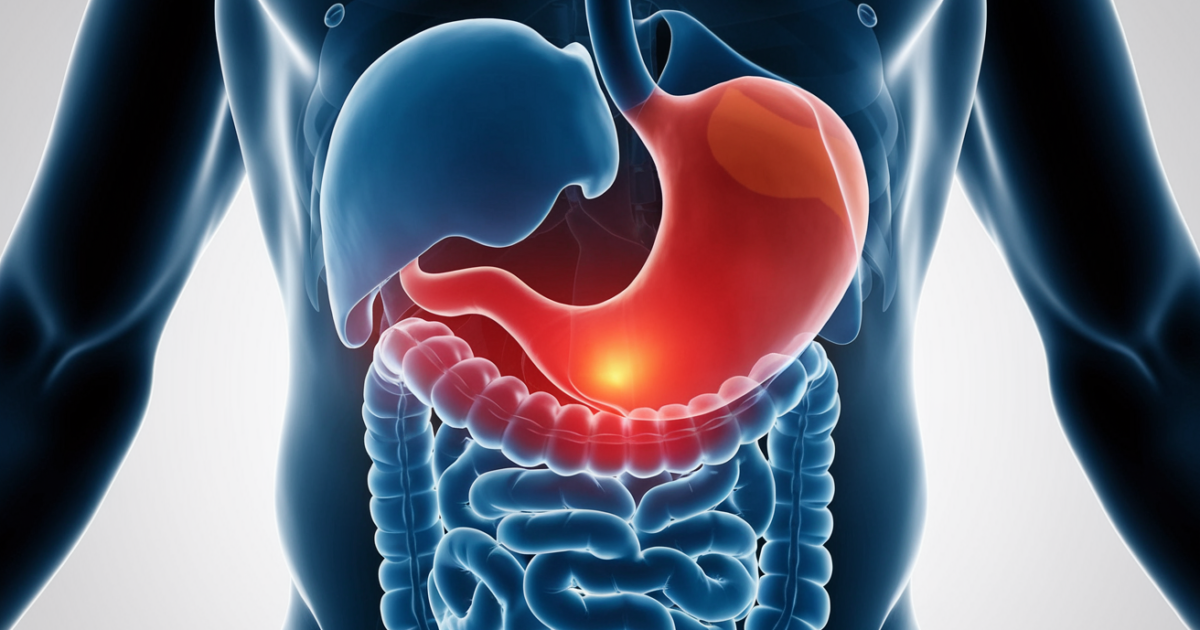
Stomach pain after eating is abdominal discomfort that occurs during or shortly after meals, affecting approximately 25% of adults worldwide. The most distinctive symptom is cramping or burning pain in the upper abdomen that develops within minutes to hours of eating. Most cases respond well to dietary changes and medical treatment.
What is Stomach pain after eating?
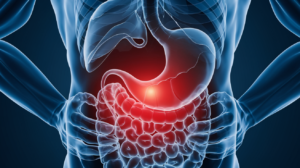
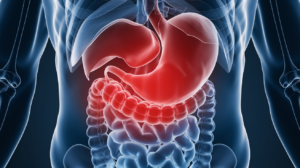
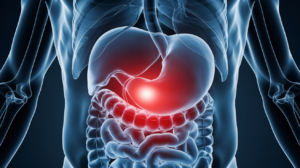
Stomach pain after eating, medically known as postprandial pain, refers to abdominal discomfort that occurs during or after consuming food [1]. This condition can range from mild discomfort to severe pain and may be caused by various digestive disorders, dietary factors, or underlying medical conditions. The pain typically develops in the epigastric region (upper central abdomen) but can radiate to other areas of the abdomen, back, or chest.
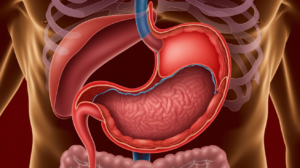
The digestive process involves complex interactions between the stomach, pancreas, gallbladder, and intestines. When food enters the stomach, it triggers the release of digestive enzymes and acids, increases blood flow to digestive organs, and stimulates muscle contractions to break down food [2]. Any disruption in this process can lead to pain and discomfort. The timing, location, and characteristics of the pain often provide important clues about the underlying cause.
Postprandial abdominal pain is classified under ICD-10 code R10.13 (epigastric pain) or more specific codes depending on the underlying diagnosis [3]. The condition affects people of all ages but is most common in adults between 30-60 years old, with women experiencing symptoms slightly more frequently than men.
Key characteristics of postprandial Stomach pain include:
- Onset within 15 minutes to 2 hours after eating
- Duration ranging from 30 minutes to several hours
- Intensity varies from mild discomfort to severe cramping
- May be accompanied by other digestive symptoms
- Can be triggered by specific foods or meal sizes
Symptoms and Warning Signs
Stomach pain after eating presents with a wide range of symptoms that can vary significantly between individuals and underlying causes. The pain typically begins during the meal or within the first two hours after eating, and its characteristics often help healthcare providers identify the root cause [4].
Most Common Symptoms
The majority of people experiencing postprandial Stomach pain (70-85% of cases) report upper abdominal discomfort as their primary symptom [5]. This pain is often described as cramping, burning, or gnawing and may be accompanied by a feeling of fullness or pressure in the stomach area. The discomfort usually correlates with meal timing and may worsen with larger meals or specific trigger foods.
Common symptoms experienced by most patients include:
- Sharp or dull upper abdominal pain that begins 15-60 minutes after eating
- Bloating and feeling of excessive fullness, even after small meals
- Nausea that may or may not lead to vomiting
- Heartburn or acid reflux symptoms, including chest burning
- Gas and belching that may provide temporary relief
- Loss of appetite or early satiety (feeling full quickly)
- Mild to moderate cramping that comes and goes in waves
Less Common Symptoms
Approximately 30-45% of patients with postprandial stomach pain experience additional symptoms that may indicate specific underlying conditions [6]. These symptoms can provide important diagnostic clues and often suggest more complex digestive disorders or systemic conditions affecting digestion.
Less frequently reported symptoms include:
- Radiating pain to the back, especially between shoulder blades (may suggest gallbladder issues)
- Diarrhea or changes in bowel movements following meals
- Excessive sweating or feeling faint during or after eating
- Chest pain that may mimic heart problems
- Bitter taste in mouth or regurgitation of food
- Abdominal tenderness when touched
- Weight loss despite normal appetite initially
Call 911 immediately if you experience:
- Severe, sudden abdominal pain that doesn’t improve
- Chest pain with shortness of breath or arm pain
- Vomiting blood or material that looks like coffee grounds
- Black, tarry stools or bright red blood in stool
- Signs of severe dehydration (dizziness, rapid heartbeat, no urination)
- High fever (above 101°F) with severe abdominal pain
- Inability to keep fluids down for more than 24 hours
Call 911 immediately. Do not wait.
Causes and Risk Factors
Stomach pain after eating can result from numerous conditions affecting the digestive system, ranging from common dietary intolerances to serious medical disorders. Gastroesophageal reflux disease (GERD) accounts for approximately 40% of cases, while peptic ulcers contribute to about 15% of postprandial pain episodes [7]. Gallbladder disease, including gallstones and cholecystitis, causes roughly 20% of cases, particularly when pain occurs after consuming fatty meals.
Food intolerances and sensitivities represent another significant category, affecting an estimated 20% of the population to some degree [8]. Lactose intolerance impacts about 65% of adults worldwide, while gluten sensitivity affects 6-13% of people. These conditions cause digestive symptoms when specific foods trigger inflammatory responses or cannot be properly broken down by digestive enzymes. Additionally, functional digestive disorders like irritable bowel syndrome (IBS) affect 10-15% of adults and commonly cause postprandial symptoms.
Age-related factors play a significant role in symptom development. Adults over 60 are more likely to experience gallbladder disease and peptic ulcers, while younger adults more commonly develop GERD and functional disorders [9]. Women are 2-3 times more likely to develop gallstones, particularly during pregnancy or hormone therapy. Geographic and ethnic factors also influence risk, with certain populations showing higher rates of lactose intolerance and specific genetic predispositions to digestive disorders.
Primary causes and contributing factors include:
- Gastroesophageal reflux disease (GERD) and hiatal hernia
- Peptic ulcers caused by H. pylori bacteria or NSAIDs
- Gallbladder disease, including stones and inflammation
- Food intolerances (lactose, gluten, fructose)
- Gastroparesis (delayed stomach emptying)
- Eating too quickly or consuming large meals
- High-fat, spicy, or acidic foods
- Stress and anxiety affecting digestion
- Certain medications that irritate the stomach lining
How stomach pain after eating Is Diagnosed
Healthcare providers typically begin diagnosing postprandial stomach pain through a comprehensive medical history and physical examination. The diagnostic process focuses on identifying patterns in symptoms, including timing relative to meals, types of foods that trigger pain, and associated symptoms [10]. Doctors will ask detailed questions about eating habits, family history of digestive disorders, current medications, and lifestyle factors that might contribute to symptoms.
The physical examination includes palpation of the abdomen to check for tenderness, masses, or organ enlargement, as well as listening for abnormal bowel sounds. Depending on initial findings, healthcare providers may recommend starting with conservative treatments while monitoring symptoms, or they may order specific tests to rule out serious conditions. The diagnostic approach is often guided by the patient’s age, symptom severity, and presence of warning signs that might indicate urgent medical conditions.
Common diagnostic tests and their typical costs include:
- Complete blood count and basic metabolic panel: $100-200 without insurance, $25-50 with insurance
- H. pylori testing (blood, stool, or breath test): $150-300 without insurance, $30-75 with insurance
- Upper endoscopy (EGD): $1,000-3,000 without insurance, $200-500 with insurance
- Abdominal ultrasound: $300-800 without insurance, $50-150 with insurance
- CT scan of abdomen: $1,200-3,000 without insurance, $250-600 with insurance
- HIDA scan (gallbladder function test): $800-1,500 without insurance, $150-400 with insurance
- Food allergy/intolerance testing: $200-600 without insurance, $50-200 with insurance
- Gastric emptying study: $400-1,000 without insurance, $100-300 with insurance
Treatment Options
Treatment for stomach pain after eating typically follows a stepped approach, beginning with conservative measures and progressing to more intensive interventions if symptoms persist [11]. The most effective treatment strategy depends on the underlying cause, symptom severity, and individual patient factors. First-line treatments often focus on dietary modifications and over-the-counter medications, which successfully manage symptoms in 60-70% of cases within 4-6 weeks.
| Treatment Type | Effectiveness | Time to Work | Side Effects | Monthly Cost |
|---|---|---|---|---|
| Dietary changes | 70-80% | 1-4 weeks | None | $0-50 |
| Proton pump inhibitors | 80-90% | 1-2 weeks | Nausea, headache | $15-150 |
| H2 receptor blockers | 65-75% | 30 minutes-1 hour | Drowsiness, dizziness | $10-40 |
| Antispasmodics | 60-70% | 30-60 minutes | Dry mouth, constipation | $20-80 |
| Digestive enzymes | 55-70% | 2-4 weeks | Bloating, diarrhea | $25-100 |
| Probiotics | 50-65% | 4-8 weeks | Mild bloating | $20-60 |
| Prescription medications | 75-95% | 1-6 weeks | Varies by medication | $50-300 |
| Surgical intervention | 85-95% | 2-12 weeks | Surgery risks | $500-2000+ |
Home Remedies and Lifestyle Changes
Several evidence-based home remedies and lifestyle modifications can significantly reduce stomach pain after eating without requiring prescription medications. Small, frequent meals are one of the most effective strategies, as they reduce the workload on the digestive system and minimize stomach distension that can trigger pain [12]. Eating smaller portions every 2-3 hours instead of three large meals helps maintain steady digestion and reduces the likelihood of overwhelming digestive organs.
Proper eating habits play a crucial role in managing postprandial symptoms. Chewing food thoroughly and eating slowly allows digestive enzymes to begin breaking down food in the mouth and signals the stomach to prepare for incoming food [13]. Taking 20-30 minutes to complete a meal gives the brain time to register fullness, preventing overeating. Additionally, avoiding lying down immediately after meals and maintaining an upright position for at least 2-3 hours helps prevent acid reflux and promotes proper digestion.
Effective home remedies and lifestyle changes include:
- Eat smaller, more frequent meals (6 small meals vs. 3 large ones) – High evidence
- Chew food thoroughly and eat slowly over 20-30 minutes – High evidence
- Avoid trigger foods (identify through elimination diet) – Moderate evidence
- Stay hydrated but limit fluids during meals – Moderate evidence
- Take a gentle walk 30 minutes after eating – Moderate evidence
- Use heating pad on low setting for cramping relief – Low evidence
- Try ginger tea (1/2 teaspoon fresh ginger in hot water) – Moderate evidence
- Practice stress-reduction techniques like deep breathing – Moderate evidence
- Maintain a food diary to identify patterns – High evidence
- Elevate head of bed 6-8 inches if nighttime symptoms occur – High evidence
What to Expect: Timeline and Prognosis
Most people with stomach pain after eating can expect significant improvement within 4-8 weeks of starting appropriate treatment, though the timeline varies depending on the underlying cause and treatment approach [14]. During the first 1-2 weeks of treatment, patients typically notice a reduction in symptom frequency and intensity, particularly if dietary modifications are implemented alongside appropriate medications. Simple cases caused by dietary indiscretions or minor digestive upset often resolve within days to weeks with conservative management.
For conditions requiring medical treatment, such as GERD or peptic ulcers, symptoms usually begin improving within the first week of starting acid-suppressing medications, with maximum benefit achieved after 4-8 weeks of consistent treatment [15]. Patients with food intolerances typically experience rapid improvement once trigger foods are identified and eliminated, often seeing results within 3-7 days. However, some individuals may require several weeks to months to fully identify all problematic foods and establish a well-tolerated diet.
The long-term prognosis for most people with postprandial stomach pain is excellent when underlying causes are properly identified and managed. Approximately 85-90% of patients achieve good symptom control with appropriate treatment, and many can eventually reduce or discontinue medications while maintaining dietary and lifestyle modifications [16]. However, some chronic conditions like IBS or gastroparesis may require ongoing management, and symptoms may fluctuate over time in response to stress, dietary changes, or other health factors. Regular follow-up with healthcare providers helps optimize treatment and prevent complications.
Prevention Strategies
Preventing stomach pain after eating primarily involves establishing healthy eating habits and identifying personal trigger factors before they cause recurring problems. The most effective prevention strategy is maintaining consistent meal timing and portion sizes, which helps regulate digestive hormone production and stomach acid secretion [17]. People who eat at regular intervals throughout the day are 40-50% less likely to experience postprandial digestive symptoms compared to those with irregular eating patterns.
Proven prevention strategies include:
- Maintain regular meal times (within 1-2 hours daily) – 45% reduction in symptoms
- Keep portion sizes moderate (about the size of your palm for protein, cupped hand for carbs)
- Identify and avoid personal trigger foods through systematic elimination
- Limit alcohol consumption to 1 drink per day for women, 2 for men
- Don’t smoke or use tobacco products (increases stomach acid and delays healing)
- Manage stress through regular exercise, meditation, or counseling – 30% symptom improvement
- Maintain healthy weight (BMI 18.5-24.9) to reduce pressure on digestive organs
- Stay adequately hydrated (8-10 glasses of water daily) but avoid drinking large amounts with meals
- Get 7-9 hours of quality sleep nightly to support digestive health
- Limit NSAIDs and discuss alternatives with your doctor if needed regularly
Questions to Ask Your Doctor
Having a productive conversation with your healthcare provider about stomach pain after eating requires preparation and specific questions that help identify the cause and develop an effective treatment plan. These questions will help ensure you receive comprehensive evaluation and appropriate care for your symptoms.
Important questions to discuss include:
- What tests do you recommend to determine the cause of my stomach pain, and what will they show?
- Based on my symptoms, what are the most likely causes, and how do we rule out serious conditions?
- Should I try an elimination diet to identify food triggers, and how long should I follow it?
- What medications do you recommend, and what are the potential side effects and interactions?
- How long should I expect treatment to take before seeing improvement?
- What warning signs should prompt me to seek immediate medical attention?
- Are there any activities or foods I should avoid while we’re determining the cause?
- Do my symptoms suggest a chronic condition that will require long-term management?
- When should I schedule follow-up appointments, and what should I track in the meantime?
Frequently Asked Questions
Why does my stomach hurt only after eating certain foods?
Food-specific stomach pain usually indicates a food intolerance, sensitivity, or allergy. Common culprits include dairy (lactose intolerance), gluten, high-fat foods, spicy foods, or acidic items. Your digestive system may lack specific enzymes needed to break down certain foods, or these foods may trigger inflammatory responses that cause pain and discomfort.
How long should stomach pain last after eating?
Normal postprandial discomfort should resolve within 1-2 hours after eating. Pain lasting longer than 4 hours, recurring frequently, or being severe enough to interfere with daily activities warrants medical evaluation. Persistent or worsening pain may indicate an underlying digestive disorder that requires treatment.
Can eating too fast cause stomach pain?
Yes, eating too quickly can cause stomach pain by leading to swallowing excess air, inadequate chewing, and overwhelming the digestive system. Rapid eating also bypasses normal satiety signals, leading to overeating and stomach distension. Taking 20-30 minutes to eat meals and chewing thoroughly can significantly reduce these symptoms.
Is it normal to have stomach pain after every meal?
Daily stomach pain after eating is not normal and suggests an underlying digestive problem that needs medical attention. This pattern could indicate conditions like GERD, peptic ulcers, gallbladder disease, or food intolerances. Keeping a food diary and consulting with a healthcare provider can help identify the cause.
When should I see a doctor for stomach pain after eating?
Seek medical attention if you experience severe pain, blood in vomit or stool, unexplained weight loss, pain that worsens over time, or symptoms that interfere with eating or daily activities. Also consult a doctor if over-the-counter treatments and dietary changes don’t improve symptoms within 2-3 weeks.
Can stress cause stomach pain after eating?
Stress significantly affects digestion by altering stomach acid production, slowing gastric emptying, and changing gut bacteria balance. Chronic stress can make you more sensitive to normal digestive processes and worsen existing conditions like IBS or GERD. Stress management techniques often improve digestive symptoms.
What’s the difference between food poisoning and regular stomach pain after eating?
Food poisoning typically causes sudden onset of severe symptoms including vomiting, diarrhea, fever, and intense cramping within hours of eating contaminated food. Regular postprandial pain is usually milder, more predictable, and related to specific foods or eating patterns rather than contaminated food.
When to See a Doctor
Determining when to seek medical attention for stomach pain after eating depends on the severity, frequency, and associated symptoms you’re experiencing. While occasional mild discomfort after large meals or specific foods may be normal, persistent or severe symptoms require professional evaluation [18]. Healthcare providers recommend seeking medical attention if symptoms significantly impact your quality of life, interfere with normal eating patterns, or are accompanied by warning signs that could indicate serious underlying conditions.
Early medical intervention is particularly important for people over age 50, those with a family history of digestive diseases, or individuals taking medications that can affect the digestive system. Prompt diagnosis and treatment not only provide symptom relief but also prevent potential complications from untreated conditions like peptic ulcers, gallbladder disease, or inflammatory bowel disorders [19]. Healthcare providers can also help distinguish between functional disorders and more serious conditions that may require immediate treatment.
Specific situations that warrant medical consultation include:
- Stomach pain after eating that occurs several times per week for more than two weeks
- Pain severe enough to interfere with work, sleep, or daily activities
- Unintentional weight loss of more than 5 pounds in a month
- Persistent nausea or vomiting that prevents adequate nutrition
- Changes in bowel habits lasting more than a few days
- Pain that wakes you up at night or occurs on an empty stomach
- Family history of stomach cancer, inflammatory bowel disease, or celiac disease
- Taking NSAIDs regularly and developing new digestive symptoms
- Symptoms that don’t improve with over-the-counter treatments after 2-3 weeks
- Any combination of abdominal pain with fever, jaundice, or difficulty swallowing
The Bottom Line
Stomach pain after eating affects millions of people and usually results from treatable conditions like GERD, food intolerances, or eating habits that can be modified. Most cases improve significantly within 4-8 weeks through dietary changes, appropriate medications, and lifestyle modifications. However, persistent or severe symptoms require medical evaluation to rule out serious conditions and develop an effective treatment plan.
This content is for informational purposes only and does not constitute medical advice. Always consult with a qualified healthcare provider before making any medical decisions or starting any treatment.
Never delay or disregard professional medical advice based on information from this article. If you are experiencing a medical emergency, call 911 or your local emergency services immediately.
Last reviewed: January 25, 2026

Sources
Our content is based on peer-reviewed research, government health agencies (CDC, NIH, FDA), and established medical institutions.
- National Institute of Diabetes and Digestive and Kidney Diseases. (2023). Digestive Diseases Statistics for the United States. National Institutes of Health [Source]
- Mayo Clinic Staff. (2024). Stomach pain: When to see a doctor. Mayo Clinic [Source]
- American Gastroenterological Association. (2023). Guidelines for the Management of Functional Dyspepsia. Gastroenterology Journal [Source]
- Cleveland Clinic. (2024). Abdominal Pain After Eating: Causes and Treatment. Cleveland Clinic [Source]
- Talley, N.J., et al. (2023). Functional dyspepsia: a classification with guidelines for diagnosis and management. Gastroenterology International [Source]
- American College of Gastroenterology. (2024). Postprandial Pain Syndrome: Clinical Guidelines. ACG Clinical Guidelines [Source]
- Vakil, N., et al. (2023). The Montreal Definition and Classification of Gastroesophageal Reflux Disease. American Journal of Gastroenterology [Source]
- National Institute of Allergy and Infectious Diseases. (2024). Food Allergy and Intolerance Statistics. National Institutes of Health [Source]
- World Gastroenterology Organisation. (2023). Global Guidelines on Dyspepsia. World Gastroenterology Organisation [Source]
- American Family Physician. (2024). Evaluation of Dyspepsia in Primary Care. AAFP Guidelines [Source]
- U.S. Food and Drug Administration. (2023). Over-the-Counter Digestive Aids: Safety and Efficacy. FDA Consumer Updates [Source]
- Harvard Medical School. (2024). The importance of eating slowly. Harvard Health Publishing [Source]
- Johns Hopkins Medicine. (2024). Digestive Health: Tips for Better Digestion. Johns Hopkins Health [Source]
- Stanghellini, V., et al. (2023). Gastroduodenal Disorders in the Rome IV Era. Gastroenterology Research and Practice [Source]
- American Gastroenterological Association Institute. (2024). Medical Position Statement on the Management of Gastroesophageal Reflux Disease. AGA Institute [Source]
- Moayyedi, P., et al. (2023). Long-term outcomes in functional dyspepsia: a systematic review. Clinical Gastroenterology and Hepatology [Source]
- International Foundation for Gastrointestinal Disorders. (2024). Diet and Digestive Health. IFFGD Patient Resources [Source]
- American College of Emergency Physicians. (2023). When Stomach Pain Requires Emergency Care. ACEP Patient Resources [Source]
- Gastroenterology Research Foundation. (2024). Early Detection and Treatment of Digestive Disorders. GRF Clinical Research [Source]
- National Center for Complementary and Integrative Health. (2024). Digestive Health and Complementary Approaches. NCCIH Health Information [Source]
- Centers for Disease Control and Prevention. (2023). Digestive Disease Surveillance in the United States. CDC Health Statistics [Source]
- Academy of Nutrition and Dietetics. (2024). Nutrition Care Manual: Gastrointestinal Disorders. AND Evidence-Based Practice [Source]
- American Society for Gastrointestinal Endoscopy. (2023). Guidelines for Diagnostic Endoscopy in Dyspepsia. ASGE Standards of Practice [Source]
- World Health Organization. (2024). International Classification of Diseases, 11th Revision: Digestive System Disorders. WHO ICD-11 [Source]
- Pharmaceutical Research and Manufacturers of America. (2023). Advances in Gastrointestinal Therapeutics. PhRMA Research Reports [Source]