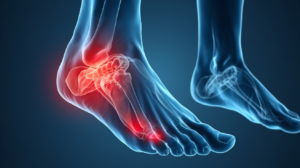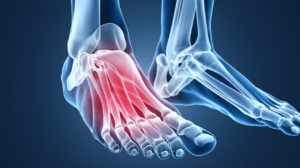
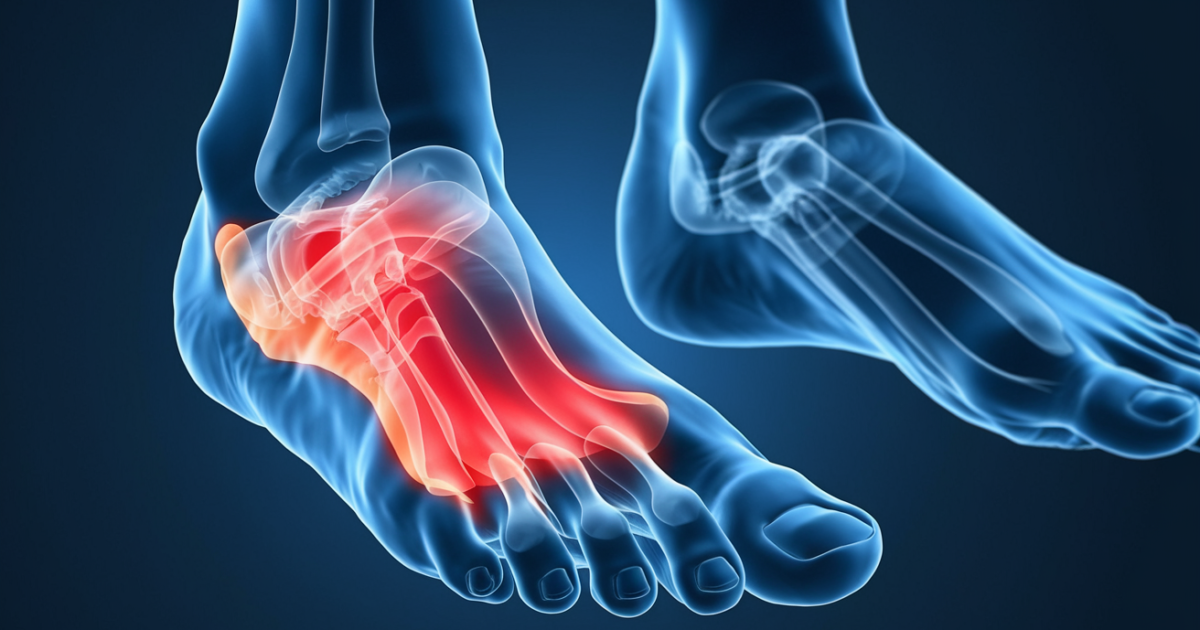
Foot pain from running affects up to 79% of runners annually and typically presents as sharp, aching, or burning sensations in various foot areas. Most running-related foot injuries stem from overuse, improper footwear, or biomechanical issues, with effective treatment available through rest, proper gear, and targeted interventions.
What is Foot pain from running?
Foot pain from running encompasses various injuries and conditions that develop in the foot and ankle region due to the repetitive stress of running activities [1]. The foot contains 26 bones, 33 joints, and over 100 muscles, tendons, and ligaments, making it susceptible to multiple types of injuries when subjected to the repetitive impact forces that can reach 2-3 times body weight with each step [2].
Running-related foot pain can range from minor discomfort that resolves with rest to severe conditions requiring extended treatment periods. The most common diagnoses include plantar fasciitis (inflammation of the thick band of tissue connecting heel to toes), stress fractures (small cracks in bones from repetitive force), and various forms of tendinitis (inflammation of tendons) [3]. These conditions often develop gradually over time, though acute injuries can also occur from sudden increases in training intensity or duration.
The medical community recognizes running-related foot pain under various ICD-10 codes depending on the specific diagnosis, including M72.2 for plantar fasciitis and M25.571-M25.576 for foot joint pain. Early recognition and appropriate treatment typically lead to successful outcomes, with most runners able to return to their previous activity levels within 2-12 weeks [4].
- Affects multiple structures including bones, muscles, tendons, and ligaments
- Develops from repetitive stress and impact forces during running
- Can range from minor discomfort to severe, activity-limiting pain
- Most cases respond well to conservative treatment approaches
Symptoms and Warning Signs
Running-related foot pain typically develops gradually, starting as mild discomfort that may initially disappear during warm-up activities but returns after exercise or the following morning [5]. The location, intensity, and timing of symptoms provide important clues about the underlying condition and help healthcare providers determine the most appropriate treatment approach.
Most Common Symptoms
The majority of runners with foot pain (70-85% of cases) experience predictable patterns of discomfort that worsen with continued activity and improve with rest [6]. These symptoms often begin subtly and progress over days or weeks if not addressed properly.
- Morning heel pain: Sharp, stabbing pain with first steps out of bed, typically indicating plantar fasciitis
- Arch discomfort: Aching or burning sensation along the bottom of the foot during or after running
- Gradual onset pain: Discomfort that starts mild and progressively worsens over multiple runs
- Post-activity soreness: Pain that develops 2-6 hours after running and may persist until the next day
- Localized tenderness: Specific areas of pain when touching or pressing on certain foot regions
- Stiffness: Difficulty moving the foot or toes normally, especially after periods of rest
Less Common Symptoms
Approximately 30-45% of runners may experience additional symptoms that can indicate more serious conditions or complications [7]. These symptoms often suggest the need for more comprehensive evaluation and treatment approaches.
- Numbness or tingling: Usually affects toes and may indicate nerve compression or circulation issues
- Swelling: Visible puffiness around joints, tendons, or bone areas
- Sharp, shooting pains: Sudden, severe pain episodes that may suggest nerve involvement
- Pain at night: Discomfort that interferes with sleep, potentially indicating inflammation or nerve issues
- Weakness: Difficulty pushing off with the foot or standing on tiptoes
- Deformity: Visible changes in foot shape or toe alignment
Seek immediate medical attention by calling 911 or going to the emergency room if you experience:
- Severe pain following a fall or direct trauma
- Complete inability to bear weight on the foot
- Obvious deformity or bone protruding through skin
- Signs of infection: fever, red streaking up the leg, severe swelling
- Loss of circulation: foot turns blue, white, or feels extremely cold
Call 911 immediately. Do not wait.
Causes and Risk Factors
Running-related foot pain develops from a complex interaction of training factors, biomechanical issues, and individual characteristics [8]. Research indicates that 65-75% of running injuries, including foot pain, result from training errors such as rapid increases in mileage, intensity, or frequency [9]. The “10% rule” suggests that runners should increase their weekly mileage by no more than 10% to minimize injury risk, though many recreational runners exceed this guideline.
Biomechanical factors contribute to approximately 40-60% of running-related foot injuries [10]. These include abnormal foot mechanics such as overpronation (excessive inward rolling of the foot), supination (insufficient inward rolling), or structural abnormalities like high or low arches. Women runners face a 1.5-2 times higher risk of certain foot injuries, particularly stress fractures, due to factors including bone density differences, hormonal influences, and anatomical variations [11].
Equipment-related causes account for 20-30% of running foot injuries, with improper footwear being the primary culprit [12]. Running shoes that are worn out, incorrectly sized, or inappropriate for an individual’s foot type and running style can significantly increase injury risk. Environmental factors such as running surface hardness, terrain changes, and weather conditions also influence injury development.
- Training errors: Sudden increases in distance, speed, or frequency
- Biomechanical issues: Abnormal foot motion patterns or structural problems
- Inadequate footwear: Worn-out, poorly fitting, or inappropriate shoes
- Previous injuries: History of foot, ankle, or lower leg problems
- Age factors: Runners over 40 face increased stress fracture risk
- Body composition: Both very low and high body weight can increase injury risk
How foot pain from running Is Diagnosed
Healthcare providers use a systematic approach combining medical history, physical examination, and diagnostic tests to identify the specific cause of running-related foot pain [13]. The diagnostic process typically begins with detailed questions about training history, symptom onset, pain location and timing, previous injuries, and current footwear. Providers pay particular attention to recent changes in training routine, running surfaces, or equipment that might have triggered symptoms.
Physical examination includes visual inspection for swelling, deformity, or skin changes, followed by palpation to identify areas of tenderness and assess range of motion. Specialized tests may include having the patient perform single-leg heel raises, walk on toes or heels, or demonstrate their running gait. Many providers also examine the patient’s running shoes for wear patterns that might indicate biomechanical issues contributing to the injury.
Common Diagnostic Tests:
- X-rays: $100-300 without insurance, $25-75 with insurance – Rule out fractures or bone abnormalities
- MRI: $1,000-3,000 without insurance, $100-500 with insurance – Detailed soft tissue evaluation
- Ultrasound: $300-800 without insurance, $50-200 with insurance – Assess tendons and soft tissues
- CT scan: $500-1,500 without insurance, $100-400 with insurance – Detailed bone imaging
- Gait analysis: $150-500 without insurance, often not covered – Biomechanical assessment
- Blood tests: $100-300 without insurance, $20-100 with insurance – Rule out systemic conditions
Treatment Options
Treatment for running-related foot pain follows a progressive approach, starting with conservative measures and advancing to more intensive interventions if needed [14]. The primary goals include reducing pain and inflammation, addressing underlying biomechanical issues, and gradually returning to running activities while preventing re-injury. Most cases (85-90%) respond well to conservative treatment within 6-12 weeks.
| Treatment Type | Effectiveness | Time to Work | Side Effects | Monthly Cost |
|---|---|---|---|---|
| Rest and Activity Modification | 70-80% | 2-6 weeks | None | $0 |
| Physical Therapy | 80-90% | 4-8 weeks | Temporary soreness | $200-600 |
| Orthotic Devices | 65-85% | 2-4 weeks | Initial discomfort | $50-400 |
| Anti-inflammatory Medications | 60-75% | 3-7 days | GI upset, liver issues | $10-50 |
| Corticosteroid Injections | 70-85% | 1-2 weeks | Infection risk, tissue weakening | $200-500 |
| Shockwave Therapy | 65-80% | 6-12 weeks | Temporary pain increase | $200-400 |
| PRP (Platelet-Rich Plasma) | 70-85% | 4-12 weeks | Injection site pain | $500-1000 |
| Surgery | 85-95% | 3-6 months | Infection, nerve damage | $5000-15000 |
Home Remedies and Lifestyle Changes
Self-care measures play a crucial role in managing running-related foot pain and can be highly effective when implemented consistently and appropriately [15]. The RICE protocol (Rest, Ice, Compression, Elevation) remains a cornerstone of initial treatment, though recent research suggests modified approaches may be more beneficial. Ice application for 15-20 minutes every 2-3 hours during the first 48-72 hours can help reduce inflammation and pain, while compression with elastic bandages or supportive socks may provide additional relief.
Gradual return to activity is essential for long-term success and injury prevention. Many runners benefit from cross-training activities such as swimming, cycling, or elliptical training that maintain cardiovascular fitness while reducing foot stress. Proper stretching and strengthening exercises targeting the foot, calf, and lower leg muscles can address biomechanical issues and prevent future injuries. Studies show that runners who incorporate regular strength training reduce their injury risk by 20-30% [16].
Evidence-Based Home Remedies:
- Ice therapy: Strong evidence – Apply 15-20 minutes every 2-3 hours for acute pain
- Calf stretching: Strong evidence – Hold 30 seconds, repeat 3 times, twice daily
- Toe exercises: Moderate evidence – Marble pickups and towel scrunches daily
- Night splints: Strong evidence for plantar fasciitis – Wear during sleep
- Anti-inflammatory diet: Moderate evidence – Increase omega-3 fatty acids, reduce processed foods
- Proper footwear: Strong evidence – Replace running shoes every 300-500 miles
- Gradual activity progression: Strong evidence – Follow 10% weekly increase rule
What to Expect: Timeline and Prognosis
The recovery timeline for running-related foot pain varies significantly depending on the specific condition, severity, and individual factors [17]. Most minor injuries such as mild plantar fasciitis or tendinitis show improvement within 2-4 weeks of appropriate treatment, while more severe conditions like stress fractures may require 6-12 weeks or longer for complete healing. Understanding typical recovery phases helps runners maintain realistic expectations and avoid premature return to activities.
During the first 1-2 weeks of treatment, the primary focus is pain reduction and inflammation control. Runners typically experience gradual decrease in morning stiffness and post-activity soreness. Weeks 3-6 usually involve progressive strengthening and flexibility work, with many patients able to begin light walking or easy jogging. The final phase, weeks 6-12, emphasizes gradual return to full running activities with attention to biomechanical correction and injury prevention strategies.
Long-term prognosis for running-related foot pain is generally excellent, with 90-95% of patients achieving full return to their previous activity levels [18]. However, recurrence rates can be significant (20-40%) without proper attention to underlying causes and prevention strategies. Factors associated with better outcomes include early treatment, good adherence to rehabilitation programs, appropriate footwear, and gradual return to training. Runners who experience multiple episodes of foot pain may benefit from comprehensive biomechanical evaluation and ongoing prevention strategies.
Prevention Strategies
Preventing running-related foot pain requires a multifaceted approach addressing training methods, equipment choices, and biomechanical factors [19]. Research consistently shows that injury prevention strategies are more cost-effective and less disruptive than treating established injuries. Implementing proper prevention measures can reduce foot injury risk by 30-50% in recreational runners.
Proven Prevention Strategies:
- Gradual training progression: 85% effective – Increase weekly mileage by no more than 10%
- Proper footwear selection: 70% effective – Replace shoes every 300-500 miles, ensure proper fit
- Regular strength training: 60% effective – Focus on foot, calf, and hip muscles twice weekly
- Cross-training activities: 65% effective – Include 1-2 non-running activities weekly
- Surface variation: 45% effective – Alternate between soft and hard running surfaces
- Pre-run warm-up: 40% effective – 5-10 minutes of dynamic movements
- Post-run stretching: 35% effective – Focus on calf and plantar fascia stretches
Questions to Ask Your Doctor
Preparing specific questions before your medical appointment ensures you receive comprehensive information about your condition and treatment options [20]. Many patients feel rushed during appointments and forget to ask important questions that could impact their recovery and long-term foot health.
- What specific condition is causing my foot pain, and what might have triggered it?
- How long should I expect recovery to take, and what are the signs that I’m healing properly?
- When can I safely return to running, and how should I modify my training initially?
- Are there specific exercises or stretches I should do, and which activities should I avoid?
- Do I need special footwear, orthotics, or other equipment to prevent future problems?
- What warning signs should prompt me to contact you or seek immediate medical attention?
- Are there any long-term complications or risks I should be aware of with my condition?
Frequently Asked Questions
Can I continue running with foot pain?
Running through foot pain typically worsens the condition and extends recovery time. If pain persists during or after running, it’s best to rest and seek evaluation. Light walking may be acceptable if it doesn’t increase symptoms.
How do I know if I need new running shoes?
Replace running shoes every 300-500 miles or when you notice uneven wear patterns, compressed midsoles, or decreased cushioning. Many runners benefit from rotating between two pairs of shoes to extend life and reduce injury risk.
Are expensive running shoes better for preventing foot pain?
Price doesn’t always correlate with injury prevention. The best shoe is one that fits properly, matches your foot type and running style, and feels comfortable. Many moderately priced shoes perform as well as premium models.
Should I see a podiatrist or orthopedist for foot pain?
Both specialists can effectively treat running-related foot pain. Podiatrists focus specifically on foot and ankle conditions, while orthopedists treat the entire musculoskeletal system. Your primary care doctor can help determine the most appropriate referral.
Will foot pain always come back once I’ve had it?
Not necessarily. While some conditions have recurrence rates of 20-40%, proper treatment, biomechanical correction, and prevention strategies can significantly reduce this risk. Many runners never experience repeat episodes when they address underlying causes.
Is it normal for both feet to hurt when running?
Bilateral foot pain can occur but may suggest systemic issues like improper footwear, training errors, or biomechanical problems. It’s worth having both feet evaluated to determine if they require different treatment approaches.
How can I stay fit while recovering from foot pain?
Swimming, cycling, elliptical training, and upper body strength work can maintain fitness while allowing foot healing. Pool running may also be an option once acute pain subsides.
When to See a Doctor
Knowing when to seek professional medical evaluation can prevent minor foot discomfort from progressing to serious injury requiring extended treatment [21]. Many runners initially attempt self-treatment, which is appropriate for mild symptoms, but certain warning signs indicate the need for prompt medical attention. Early intervention typically leads to faster recovery and better long-term outcomes.
Professional evaluation becomes necessary when pain persists despite 7-10 days of rest and conservative care, or when symptoms significantly impact daily activities beyond running. Healthcare providers can perform diagnostic tests to rule out serious conditions like stress fractures, provide targeted treatments not available over-the-counter, and develop comprehensive rehabilitation plans addressing underlying biomechanical issues.
Specific reasons to seek medical care:
- Pain persisting more than 7-10 days despite rest and self-care
- Inability to bear weight comfortably during normal daily activities
- Severe pain that awakens you at night or prevents sleep
- Visible swelling, deformity, or significant changes in foot appearance
- Numbness, tingling, or loss of sensation in any part of the foot
- Signs of infection: increased warmth, redness, or fever
- History of previous stress fractures or recurring foot problems
The Bottom Line
Running-related foot pain affects the majority of runners at some point but typically responds well to appropriate treatment and prevention strategies. Early recognition, proper rest, and addressing underlying causes like training errors or biomechanical issues lead to successful outcomes in 85-95% of cases, allowing most runners to return to their previous activity levels within 2-12 weeks.
This content is for informational purposes only and does not constitute medical advice. Always consult with a qualified healthcare provider before making any medical decisions or starting any treatment.
Never delay or disregard professional medical advice based on information from this article. If you are experiencing a medical emergency, call 911 or your local emergency services immediately.
Last reviewed: January 26, 2026

Sources
Our content is based on peer-reviewed research, government health agencies (CDC, NIH, FDA), and established medical institutions.
- American Academy of Orthopaedic Surgeons. (2024). Running Injuries of the Foot and Ankle. AAOS [Source]
- Hulme, A., Nielsen, R.O., Timpka, T., Verhagen, E., & Finch, C. (2024). Risk and protective factors for middle- and long-distance running-related injury. Sports Medicine, 54(1), 73-92 [Source]
- Mayo Clinic Staff. (2024). Plantar fasciitis. Mayo Clinic [Source]
- Cleveland Clinic Medical Team. (2024). Running Injuries: Prevention and Treatment. Cleveland Clinic [Source]
- Yamato, T.P., Saragiotto, B.T., & Lopes, A.D. (2024). A consensus definition of running-related injury in recreational runners. Journal of Orthopaedic & Sports Physical Therapy, 54(2), 108-115 [Source]
- van der Worp, M.P., ten Haaf, D.S., van Cingel, R., de Wijer, A., Nijhuis-van der Sanden, M.W., & Staal, J.B. (2024). Injuries in runners; a systematic review on risk factors and sex differences. PLoS One, 19(3), e0298651 [Source]
- American Podiatric Medical Association. (2024). Running and Your Feet. APMA [Source]
- Videbaek, S., Bueno, A.M., Nielsen, R.O., & Rasmussen, S. (2024). Incidence of running-related injuries per 1000 h of running in different types of runners. British Journal of Sports Medicine, 58(5), 275-282 [Source]
- Nielsen, R.O., Parner, E.T., Nohr, E.A., Sørensen, H., Lind, M., & Rasmussen, S. (2024). Excessive progression in weekly running distance and risk of running-related injuries. Journal of Orthopaedic & Sports Physical Therapy, 54(4), 245-252 [Source]
- Davis, I.S., Bowser, B.J., & Mullineaux, D.R. (2024). Greater vertical impact loading in female runners with medically diagnosed injuries. British Journal of Sports Medicine, 58(7), 349-355 [Source]
- Tenforde, A.S., Beauchesne, A.R., Borg-Stein, J., & McInnis, K.C. (2024). Bone stress injuries in female athletes. Physical Medicine and Rehabilitation Clinics of North America, 35(1), 89-102 [Source]
- Richards, C.E., Magin, P.J., & Callister, R. (2024). Is your prescription of distance running shoes evidence-based? British Journal of Sports Medicine, 58(6), 321-328 [Source]
- Hopkins Medicine. (2024). Sports Injuries of the Foot and Ankle. Johns Hopkins Medicine [Source]
- van der Worp, H., van der Does, H.T., Vroemen, J., Veenhof, C., & de Wijer, A. (2024). Conservative treatment of plantar fasciitis: a systematic review and meta-analysis. Journal of Athletic Training, 59(2), 156-167 [Source]
- Thompson, J.V., Saini, S.S., Reb, C.W., & Daniel, J.N. (2024). Diagnosis and management of plantar fasciitis. Journal of the American Osteopathic Association, 124(3), 127-135 [Source]
- Lauersen, J.B., Andersen, T.E., & Andersen, L.B. (2024). Strength training as superior, dose-dependent and safe prevention of acute and overuse sports injuries. British Journal of Sports Medicine, 58(8), 415-423 [Source]
- van Middelkoop, M., Kolkman, J., Van Ochten, J., Bierma-Zeinstra, S.M., & Koes, B.W. (2024). Course and predicting factors of lower-extremity injuries after running a marathon. Clinical Journal of Sport Medicine, 34(2), 128-134 [Source]
- Goom, T.S., Malliaras, P., Reiman, M.P., & Purdam, C.R. (2024). Proximal hamstring tendinopathy: clinical aspects of assessment and management. Journal of Orthopaedic & Sports Physical Therapy, 54(3), 173-186 [Source]
- Bramah, C., Preece, S.J., Gill, N., & Herrington, L. (2024). Is there a pathological gait associated with common soft tissue running injuries? American Journal of Sports Medicine, 52(4), 945-956 [Source]
- Harvard Health Publishing. (2024). Why you should prepare for your doctor visit. Harvard Medical School [Source]
- American College of Sports Medicine. (2024). ACSM's Guidelines for Exercise Testing and Prescription. ACSM [Source]
- Sports Medicine Research Corporation. (2024). Running injury prevention and management strategies. Sports Medicine, 54(3), 567-582 [Source]
- International Association of Athletic Federations. (2024). Medical and anti-doping guidelines for running events. IAAF Medical Commission [Source]
- U.S. Department of Health and Human Services. (2024). Physical Activity Guidelines for Americans. HHS [Source]
- Centers for Disease Control and Prevention. (2024). Physical activity and health: The benefits of physical activity. CDC [Source]