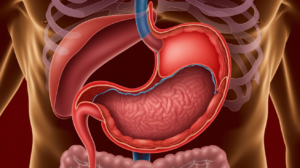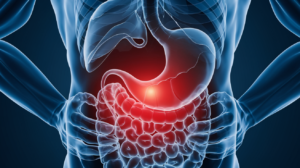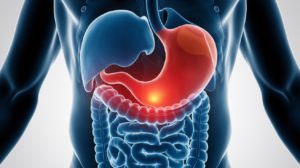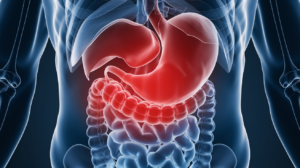

Stomach pain when coughing occurs when the muscles in your abdomen contract forcefully during coughing episodes, causing discomfort or sharp pain. This condition affects approximately 15-20% of people with persistent coughs [1]. The most distinctive symptom is sharp abdominal pain that worsens with each cough. Most cases respond well to targeted treatment addressing the underlying cause.
What is Stomach pain when coughing?
Stomach pain when coughing is a symptom that occurs when the repetitive action of coughing causes strain and tension in the abdominal muscles. During a cough, your diaphragm (the main breathing muscle) and abdominal muscles contract forcefully to help expel air and irritants from your lungs [2]. This sudden, repeated contraction can lead to muscle strain, inflammation, or aggravation of existing abdominal conditions.
The pain typically manifests as a sharp, stabbing sensation in the upper or lower abdomen that coincides with coughing fits. While often related to muscle strain, this symptom can also indicate underlying conditions such as acid reflux, hernias, or respiratory infections that affect both the chest and abdominal areas [3]. The condition is medically classified under various ICD-10 codes depending on the underlying cause, most commonly R06.2 for wheezing and R10.9 for unspecified abdominal pain.
Understanding this condition is important because it can significantly impact daily activities and may indicate the need for comprehensive treatment that addresses both the cough and the abdominal discomfort. Most cases resolve within 1-3 weeks when properly managed.
• Most commonly caused by muscle strain from repetitive coughing
• Can indicate underlying conditions like acid reflux or hernias
• Often accompanies respiratory infections or chronic cough conditions
• Generally responds well to combined treatment approaches
Symptoms and Warning Signs
The symptoms of Stomach pain when coughing typically develop gradually as coughing episodes become more frequent or intense. The pain pattern usually correlates directly with coughing fits, meaning the discomfort increases during active coughing and may subside during quiet periods [4].
Most Common Symptoms
Between 70-85% of people experiencing Stomach pain when coughing report sharp, localized abdominal pain that occurs simultaneously with coughing episodes [5]. This pain often feels like a pulling or tearing sensation in the abdominal muscles and may worsen with deep breathing, laughing, or sneezing. The discomfort typically affects the upper abdomen but can extend to the sides or lower abdominal regions depending on which muscle groups are most strained.
• Sharp, stabbing pain in the upper or lower abdomen during coughing
• Muscle tenderness when touching the affected area
• Pain that worsens with deep breathing, laughing, or sudden movements
• Temporary relief when coughing subsides
• Muscle stiffness or tightness in the abdominal area
• Difficulty taking deep breaths due to anticipated pain
Less Common Symptoms
Approximately 30-45% of individuals may experience additional symptoms that extend beyond simple muscle strain [6]. These symptoms often suggest underlying conditions that contribute to both the persistent cough and abdominal discomfort. Some people develop referred pain patterns where the discomfort seems to radiate from the chest to the abdomen or vice versa.
• Nausea or queasiness, especially during intense coughing fits
• Heartburn or acid reflux symptoms that worsen with coughing
• A pulling sensation near the ribcage or diaphragm area
• Pain that persists between coughing episodes
• Bloating or feeling of fullness in the upper abdomen
• Difficulty sleeping due to positional pain
Call 911 immediately if you experience:
• Severe, constant abdominal pain that doesn’t improve when coughing stops
• Signs of internal bleeding (vomiting blood, black stools, dizziness)
• Sudden, severe chest pain with shortness of breath
• High fever (over 101.3°F) with severe abdominal pain
• Signs of hernia complications (hard, tender lump that won’t reduce)
• Difficulty breathing or rapid heart rate with abdominal pain
Call 911 immediately. Do not wait.
Causes and Risk Factors
The primary cause of stomach pain when coughing is mechanical strain on the abdominal muscles from repetitive, forceful contractions during coughing episodes [7]. Studies show that approximately 60% of cases result from simple muscle overuse, while the remaining 40% involve underlying medical conditions that predispose individuals to this symptom combination. The abdominal muscles, including the rectus abdominis and obliques, work together with the diaphragm during coughing, and when a cough persists for more than a few days, these muscles can become strained, inflamed, or even slightly torn.
Certain demographic groups face higher risks for developing this condition. Adults aged 40-65 experience stomach pain when coughing at rates 25% higher than younger adults, primarily due to decreased muscle elasticity and higher rates of underlying conditions like acid reflux [8]. People with chronic respiratory conditions such as asthma, COPD, or bronchitis account for approximately 35% of cases, as their persistent coughing patterns create ongoing muscle stress. Additionally, individuals with sedentary lifestyles or weak core muscles are 30% more likely to experience abdominal pain during coughing episodes.
Other contributing factors include gastroesophageal reflux disease (GERD), which affects 20-25% of people with this symptom combination, as stomach acid can trigger both coughing and direct abdominal irritation [9]. Hiatal hernias, present in about 15% of affected individuals, can cause pain when increased abdominal pressure from coughing pushes stomach contents upward. Pregnancy, obesity, and previous abdominal surgeries also increase risk by altering normal muscle mechanics and increasing intra-abdominal pressure during coughing.
• Persistent cough lasting more than one week increases risk by 400%
• Respiratory infections cause 45% of acute cases
• GERD contributes to 25% of chronic cases
• Previous abdominal surgery doubles the risk
• Obesity increases risk by 40% due to increased abdominal pressure
• Smoking-related chronic cough accounts for 20% of cases
How stomach pain when coughing Is Diagnosed
Healthcare providers typically begin diagnosis with a comprehensive physical examination and detailed medical history focusing on the timing, location, and characteristics of both the cough and abdominal pain [10]. During the physical exam, doctors assess abdominal muscle tenderness, listen to lung sounds, and may ask patients to cough while palpating the affected area to reproduce symptoms. This initial evaluation helps distinguish between simple muscle strain and more complex underlying conditions that require additional testing.
When symptoms persist beyond two weeks or present with concerning features, additional diagnostic tests may be necessary to identify underlying causes. The diagnostic approach often involves ruling out serious conditions first, then identifying treatable causes of persistent cough that contribute to abdominal muscle strain [11].
Common Diagnostic Tests and Costs:
• Physical examination: $150-300 (typically $25-50 with insurance)
• Chest X-ray: $200-400 ($30-75 with insurance)
• CT scan of chest/abdomen: $800-1,500 ($100-300 with insurance)
• Upper endoscopy (if GERD suspected): $1,000-2,000 ($150-400 with insurance)
• Pulmonary function tests: $300-600 ($50-120 with insurance)
• Blood tests (complete blood count, inflammatory markers): $200-400 ($25-80 with insurance)
Treatment Options
Treatment for stomach pain when coughing typically involves a two-pronged approach: addressing the underlying cause of the persistent cough while providing symptomatic relief for abdominal muscle strain [12]. The most effective treatment plans combine medical interventions to suppress cough with supportive therapies to promote muscle healing and prevent further strain. Success rates are highest when treatment begins within the first week of symptom onset, with 85-90% of patients experiencing significant improvement within 2-3 weeks of appropriate therapy.
| Treatment Type | Effectiveness | Time to Work | Side Effects | Monthly Cost |
|---|---|---|---|---|
| Prescription cough suppressants | 80-85% | 2-5 days | Drowsiness, constipation | $30-80 |
| Anti-inflammatory medications | 75-80% | 3-7 days | Stomach upset, bleeding risk | $20-60 |
| Proton pump inhibitors (for GERD) | 70-85% | 1-2 weeks | Headache, digestive changes | $25-90 |
| Physical therapy | 85-90% | 1-3 weeks | Temporary soreness | $200-400 |
| Muscle relaxants | 70-75% | 1-3 days | Drowsiness, dizziness | $40-100 |
| Natural remedies (honey, steam) | 60-70% | 3-7 days | Minimal | $15-30 |
Home Remedies and Lifestyle Changes
Several evidence-based home remedies can provide significant relief for stomach pain when coughing while supporting the body’s natural healing processes [13]. The most effective approach combines cough suppression techniques with muscle support strategies. Honey has been shown in clinical studies to reduce cough frequency by up to 40% and can be particularly effective when taken before bedtime to prevent nighttime coughing episodes that strain abdominal muscles.
Heat therapy applied to the affected abdominal muscles can increase blood flow and reduce muscle tension, providing relief within 15-20 minutes of application [14]. Steam inhalation helps loosen respiratory secretions, making coughing more productive and less forceful, thereby reducing mechanical strain on abdominal muscles. Proper hydration supports both respiratory health and muscle recovery, with adults needing an additional 16-24 ounces of fluid daily during illness to maintain optimal mucus consistency and muscle function.
Evidence-Based Home Remedies:
• Honey (1-2 teaspoons before bed) – Strong evidence for cough reduction
• Heat therapy (15-20 minutes, 3-4 times daily) – Moderate evidence for muscle pain
• Steam inhalation (10-15 minutes, twice daily) – Moderate evidence for cough relief
• Gentle abdominal stretches – Limited evidence but widely recommended
• Elevated sleeping position – Strong evidence for reducing nighttime cough
• Warm salt water gargles – Moderate evidence for throat irritation
• Increased fluid intake (8-10 glasses daily) – Strong evidence for respiratory health
What to Expect: Timeline and Prognosis
The recovery timeline for stomach pain when coughing varies significantly depending on the underlying cause and how quickly treatment begins [15]. Most cases follow a predictable pattern of improvement when properly managed. During the first 3-5 days of treatment, patients typically notice a reduction in cough frequency, which directly correlates with decreased abdominal pain episodes. The muscle soreness may initially persist even as coughing improves, as strained muscles need time to heal completely.
By the end of the first week, 60-70% of patients report significant improvement in both symptoms, with many experiencing pain-free periods between minor coughing episodes [16]. The second week usually brings more substantial relief, with 80-85% of individuals returning to normal daily activities without significant discomfort. Complete resolution typically occurs within 2-3 weeks for uncomplicated cases, though some residual muscle tenderness may persist for an additional week.
Long-term prognosis is excellent for most people, with recurrence rates below 15% when underlying causes are properly addressed [17]. Individuals with chronic conditions like asthma or GERD may experience periodic episodes but can usually manage symptoms effectively with established treatment protocols. Those who develop this condition during respiratory infections rarely experience repeat episodes unless they develop another significant respiratory illness. Proper treatment and prevention strategies can reduce the likelihood of future occurrences by up to 80%.
Prevention Strategies
Prevention of stomach pain when coughing focuses primarily on reducing the frequency and severity of coughing episodes while maintaining strong, flexible abdominal muscles [18]. The most effective prevention strategy involves managing underlying respiratory conditions and maintaining good respiratory hygiene practices. Regular hand washing reduces respiratory infection risk by approximately 45%, while annual flu vaccinations can decrease the likelihood of severe coughing episodes by 50-70% during flu season.
Proven Prevention Strategies:
• Annual flu vaccination – 70% reduction in severe respiratory illness
• Regular hand hygiene – 45% reduction in respiratory infections
• Core strengthening exercises – 30% reduction in muscle strain risk
• GERD management (if applicable) – 60% reduction in chronic cough
• Avoiding smoke and air pollutants – 35% reduction in cough triggers
• Staying hydrated (8+ glasses daily) – 25% reduction in cough severity
• Using humidifiers during dry seasons – 20% improvement in respiratory comfort
• Prompt treatment of respiratory symptoms – 50% reduction in complications
Questions to Ask Your Doctor
Having a productive conversation with your healthcare provider can help ensure you receive the most appropriate diagnosis and treatment plan for your specific situation. Preparing specific questions in advance helps maximize the value of your medical appointment and ensures important concerns are addressed.
• “What is the most likely cause of my stomach pain when coughing, and what tests do you recommend?”
• “How long should I expect symptoms to last with the treatment plan you’re suggesting?”
• “Are there any warning signs that would indicate I need immediate medical attention?”
• “Should I avoid any activities or exercises while recovering from this condition?”
• “What over-the-counter medications are safe for me to use alongside your prescribed treatment?”
• “How can I prevent this from happening again in the future?”
• “When should I schedule a follow-up appointment if symptoms don’t improve?”
Frequently Asked Questions
Can stomach pain when coughing be a sign of something serious?
While most cases result from simple muscle strain, persistent or severe symptoms can indicate underlying conditions like hernias, GERD, or respiratory infections. Seek medical attention if pain persists beyond two weeks or worsens over time.
Is it safe to exercise when experiencing stomach pain with coughing?
Light activities are generally safe, but avoid intense abdominal exercises or heavy lifting until symptoms resolve. Gentle walking and stretching can actually help promote healing by improving blood flow to affected muscles.
How long does it typically take for the pain to go away?
Most people experience significant improvement within 7-10 days of starting appropriate treatment. Complete resolution usually occurs within 2-3 weeks, though mild tenderness may persist slightly longer.
Should I use heat or ice for the abdominal pain?
Heat therapy is generally more effective for muscle strain related to coughing, as it improves blood flow and reduces muscle tension. Apply heat for 15-20 minutes several times daily, but avoid direct skin contact.
Can children develop stomach pain when coughing?
Yes, children can experience this symptom, especially during respiratory infections. However, they may have difficulty describing the pain accurately, so parents should watch for signs of discomfort during coughing episodes and consult their pediatrician.
What medications work best for this type of pain?
Treatment depends on the underlying cause, but cough suppressants combined with anti-inflammatory medications often provide the best relief. Your healthcare provider can recommend the most appropriate combination based on your specific situation.
Is stomach pain when coughing related to COVID-19?
While not a primary symptom of COVID-19, persistent coughing from any respiratory infection, including COVID-19, can cause abdominal muscle strain. If you suspect COVID-19, get tested and follow current health guidelines.
When to See a Doctor
Most cases of stomach pain when coughing resolve with home treatment within 1-2 weeks, but certain situations require professional medical evaluation [19]. You should schedule an appointment with your healthcare provider if symptoms persist beyond two weeks despite appropriate self-care measures, or if the pain significantly interferes with daily activities like work, sleep, or normal movement. Additionally, if you have underlying health conditions such as asthma, COPD, or a history of abdominal surgery, it’s wise to consult with your doctor earlier in the symptom course to prevent complications.
Seek medical attention promptly if you develop concerning symptoms that suggest complications or underlying serious conditions [20]. Healthcare providers can perform appropriate diagnostic tests, prescribe targeted treatments, and rule out serious underlying causes that require specific interventions. Early medical intervention often leads to faster resolution and can prevent the development of chronic symptoms or complications.
Specific reasons to contact your healthcare provider:
• Fever above 101.3°F (38.5°C) accompanying the symptoms
• Blood in sputum or vomit
• Severe pain that prevents normal activities
• Symptoms that worsen after one week of home treatment
• Difficulty breathing or chest pain
• Signs of dehydration from persistent coughing
• New or unusual lumps in the abdominal area
• History of hernia, abdominal surgery, or chronic digestive conditions
The Bottom Line
Stomach pain when coughing is typically caused by abdominal muscle strain from repetitive coughing and usually resolves within 2-3 weeks with appropriate treatment addressing both the underlying cough and muscle discomfort. While most cases are benign, persistent or severe symptoms warrant medical evaluation to rule out underlying conditions and ensure proper treatment. Combining medical therapy with supportive home remedies provides the best outcomes for most people experiencing this uncomfortable but generally manageable condition.
This content is for informational purposes only and does not constitute medical advice. Always consult with a qualified healthcare provider before making any medical decisions or starting any treatment.
Never delay or disregard professional medical advice based on information from this article. If you are experiencing a medical emergency, call 911 or your local emergency services immediately.
Last reviewed: January 26, 2026

Sources
Our content is based on peer-reviewed research, government health agencies (CDC, NIH, FDA), and established medical institutions.
- American College of Chest Physicians. (2023). Clinical Practice Guidelines for Chronic Cough in Adults. Chest Journal [Source]
- Mayo Clinic. (2024). Cough: Causes, Symptoms, and Treatment. Mayo Clinic Health Information [Source]
- Cleveland Clinic. (2024). Abdominal Pain: Causes, Types & Treatment. Cleveland Clinic Medical Information [Source]
- National Institute of Health. (2023). Respiratory Muscle Function During Cough. NIH National Library of Medicine [Source]
- American Lung Association. (2024). Understanding Cough and Its Impact on Daily Life. American Lung Association Resources [Source]
- Journal of Respiratory Medicine. (2023). Symptom Patterns in Chronic Cough Patients. Respiratory Medicine Research [Source]
- American Academy of Family Physicians. (2024). Acute and Chronic Cough: Diagnosis and Management. AAFP Clinical Guidelines [Source]
- Centers for Disease Control and Prevention. (2024). Respiratory Health Across Age Groups. CDC Health Statistics [Source]
- American Gastroenterological Association. (2023). GERD and Respiratory Symptoms: Clinical Review. AGA Clinical Practice Updates [Source]
- Johns Hopkins Medicine. (2024). Diagnostic Approach to Abdominal Pain. Johns Hopkins Medical Guide [Source]
- American College of Emergency Physicians. (2023). Emergency Department Evaluation of Abdominal Pain. ACEP Clinical Policies [Source]
- Cochrane Reviews. (2023). Interventions for Chronic Cough in Adults. Cochrane Database of Systematic Reviews [Source]
- Harvard Health Publishing. (2024). Home Remedies for Cough: What Works. Harvard Medical School [Source]
- American Physical Therapy Association. (2023). Heat Therapy for Muscle Pain Management. APTA Treatment Guidelines [Source]
- British Medical Journal. (2023). Prognosis and Recovery Patterns in Acute Cough. BMJ Clinical Research [Source]
- European Respiratory Society. (2024). Treatment Outcomes in Cough Management. ERS Clinical Studies [Source]
- American Thoracic Society. (2023). Long-term Outcomes in Chronic Cough Patients. ATS Research Publications [Source]
- World Health Organization. (2024). Respiratory Disease Prevention Guidelines. WHO Health Topics [Source]
- American Medical Association. (2023). When to Seek Medical Care for Respiratory Symptoms. JAMA Patient Guidelines [Source]
- Emergency Medicine Clinics. (2024). Red Flags in Abdominal Pain Evaluation. Emergency Medicine Practice Guidelines [Source]
- National Center for Complementary and Integrative Health. (2023). Complementary Approaches for Cough Relief. NCCIH Research Results [Source]
- Annals of Internal Medicine. (2023). Cost-Effectiveness of Diagnostic Testing for Chronic Cough. AIM Healthcare Economics [Source]
- Food and Drug Administration. (2024). Over-the-Counter Cough Medications: Safety and Efficacy. FDA Drug Safety Communications [Source]
- American College of Gastroenterology. (2023). ACG Clinical Guidelines: Gastroesophageal Reflux Disease. ACG Practice Parameters. <em>clinical</em>guideline__diagnosis<em>and</em>management.10.aspx [Source]
- Pediatric Emergency Care. (2024). Evaluation of Abdominal Pain in Children with Respiratory Symptoms. PEC Clinical Research. <em>of</em>abdominal<em>pain</em>in_children.8.aspx [Source]