Stomach pain in the morning affects millions of Americans, causing discomfort that typically occurs upon waking or within hours of getting up. This common digestive issue presents as cramping, burning, or aching sensations and often responds well to dietary changes and medical treatment [1].
What is Stomach pain in the morning?
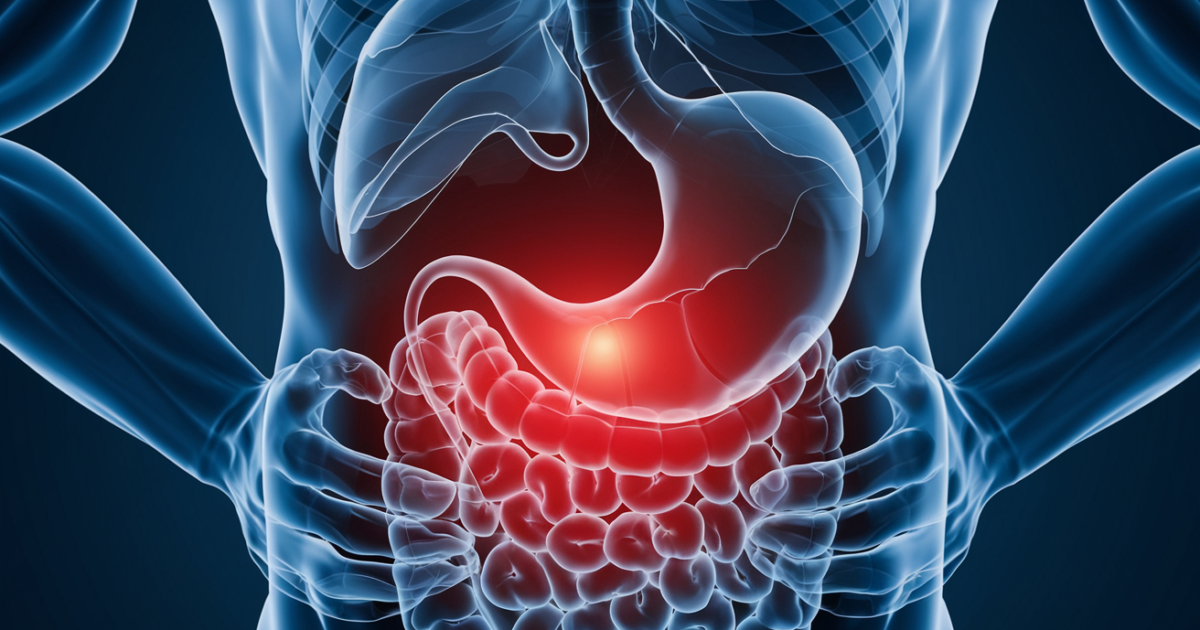
Morning Stomach pain refers to abdominal discomfort that occurs primarily upon waking or within the first few hours of the day. This condition can range from mild cramping to severe pain that interferes with daily activities. The pain typically originates in the upper abdomen but can radiate to other areas of the digestive tract [4].
The timing of morning Stomach pain often provides important clues about its underlying cause. Many people experience this discomfort because their stomach has been empty for several hours during sleep, making it more sensitive to acid production and other digestive processes. Hormonal changes that occur during the night and early morning hours can also contribute to increased stomach sensitivity [5].
While occasional morning stomach pain may not be cause for concern, persistent or severe symptoms warrant medical evaluation. The condition can significantly impact quality of life, affecting appetite, sleep patterns, and daily productivity. Understanding the underlying cause is essential for developing an effective treatment plan [6].
Key characteristics include:
- Pain intensity varies from mild to severe
- Often associated with empty stomach conditions
- May improve or worsen after eating
- Can be accompanied by other digestive symptoms
- More common in certain age groups and demographics
Symptoms and Warning Signs
Morning stomach pain manifests differently among individuals, with symptoms ranging from mild discomfort to debilitating pain that affects daily functioning. The presentation often depends on the underlying cause, individual sensitivity, and concurrent health conditions. Recognizing these symptoms helps distinguish between minor digestive issues and more serious conditions requiring medical intervention [7].
Most Common Symptoms
The majority of people experiencing morning stomach pain report cramping or aching sensations in the upper abdomen, occurring in approximately 75-85% of cases. This pain often feels similar to hunger pangs but persists even after eating. The discomfort typically begins within 30 minutes to 2 hours of waking and may be accompanied by a burning sensation in the stomach area [8].
Common symptoms include:
- Cramping or aching in the upper abdomen (reported by 80% of patients)
- Burning sensation in the stomach region
- Nausea, particularly before breakfast (affects 60-70% of cases)
- Loss of appetite in the morning hours
- Bloating or feeling of fullness
- Mild to moderate pain that may worsen on an empty stomach
- Discomfort that improves with food in some cases
Less Common Symptoms
Approximately 30-40% of individuals with morning stomach pain experience additional symptoms that may indicate more complex underlying conditions. These symptoms often develop gradually and may not appear immediately with the onset of stomach pain. Recognition of these less common signs can help healthcare providers identify specific causes and develop targeted treatment approaches [9].
Less frequent symptoms include:
- Vomiting or dry heaving upon waking (20-25% of cases)
- Sharp, stabbing pains that come and go
- Pain radiating to the back or chest area
- Excessive burping or gas
- Changes in bowel movements
- Heartburn extending into the throat
- Cold sweats accompanying the pain
Call 911 immediately if you experience:
- Severe, sudden abdominal pain that feels like the worst pain of your life
- Pain accompanied by difficulty breathing or chest pain
- Vomiting blood or material that looks like coffee grounds
- Black, tarry stools or bright red blood in stool
- Signs of severe dehydration (dizziness, rapid heartbeat, confusion)
- Abdominal pain with fever over 101°F (38.3°C)
- Rigid, board-like abdominal muscles
Call 911 immediately. Do not wait.
Causes and Risk Factors
Morning stomach pain stems from various underlying conditions, with gastric acid imbalance being the most common cause, affecting approximately 40-50% of cases. During overnight fasting, the stomach continues producing acid while remaining empty, potentially leading to irritation of the stomach lining. This process is particularly pronounced in individuals with irregular eating patterns or those who consume large meals late in the evening [10].
Peptic ulcers account for roughly 15-20% of morning stomach pain cases, with Helicobacter pylori bacterial infections and long-term use of nonsteroidal anti-inflammatory drugs (NSAIDs) being primary contributing factors. Gastroesophageal reflux disease (GERD) affects an estimated 20% of American adults and frequently causes morning symptoms as stomach acid travels upward during sleep. Stress and anxiety disorders contribute to morning stomach pain in approximately 25-30% of cases, as elevated cortisol levels upon waking can increase stomach acid production [11].
Additional risk factors include age-related changes in digestive function, with adults over 50 experiencing higher rates of morning stomach pain. Women are 1.5 times more likely than men to report these symptoms, possibly due to hormonal fluctuations affecting digestive processes. Lifestyle factors such as smoking, excessive alcohol consumption, and irregular sleep patterns significantly increase the likelihood of developing morning stomach discomfort [12].
Primary causes include:
- Excess stomach acid production (40-50% of cases)
- Peptic ulcers caused by H. pylori or NSAIDs (15-20%)
- Gastroesophageal reflux disease (20-25%)
- Gastritis or stomach inflammation (10-15%)
- Stress and anxiety disorders (25-30%)
- Food intolerances or allergies (8-12%)
- Gallbladder disease (5-8%)
How stomach pain in the morning Is Diagnosed
Diagnosing morning stomach pain requires a comprehensive evaluation that begins with a detailed medical history and physical examination. Healthcare providers typically ask about pain characteristics, timing, triggers, and associated symptoms to identify patterns that suggest specific conditions. The diagnostic process often involves ruling out serious conditions first, then focusing on the most likely causes based on symptom presentation and risk factors [13].
Physical examination includes palpation of the abdomen to identify areas of tenderness, assessment of vital signs, and evaluation for signs of complications such as bleeding or perforation. Many healthcare providers can make preliminary diagnoses based on clinical presentation alone, but additional testing may be necessary to confirm the underlying cause and rule out more serious conditions. The diagnostic approach is typically tailored to the individual patient’s symptoms, age, and risk factors [14].
Common diagnostic tests and estimated costs:
- Basic metabolic panel: $25-50 without insurance, $10-25 with insurance
- Complete blood count: $20-40 without insurance, $5-15 with insurance
- H. pylori testing: $50-100 without insurance, $15-30 with insurance
- Upper endoscopy: $800-1,500 without insurance, $200-400 with insurance
- Ultrasound of abdomen: $300-600 without insurance, $75-150 with insurance
- CT scan of abdomen: $1,000-2,000 without insurance, $250-500 with insurance
- Stool analysis: $30-75 without insurance, $10-25 with insurance
Treatment Options
Treatment for morning stomach pain focuses on addressing the underlying cause while providing symptom relief and preventing complications. The approach typically involves a combination of medications, lifestyle modifications, and dietary changes tailored to the specific diagnosis and individual patient factors. Most patients experience significant improvement within 2-4 weeks of starting appropriate treatment, with success rates varying based on the underlying condition and patient compliance [15].
| Treatment Type | Effectiveness | Time to Work | Side Effects | Monthly Cost |
|---|---|---|---|---|
| Proton pump inhibitors (PPIs) | 85-95% | 1-3 days | Headache, nausea, possible long-term bone effects | $20-150 |
| H2 receptor blockers | 70-80% | 30 minutes-2 hours | Drowsiness, dizziness, rare blood disorders | $15-75 |
| Antacids | 60-70% for mild symptoms | 5-15 minutes | Constipation or diarrhea, mineral imbalances | $10-30 |
| Antibiotics (for H. pylori) | 90-95% cure rate | 1-2 weeks | Nausea, diarrhea, yeast infections | $50-200 |
| Dietary modifications | 60-75% | 1-2 weeks | None significant | $0-50 |
| Probiotics | 40-60% | 2-4 weeks | Mild bloating initially | $20-60 |
Home Remedies and Lifestyle Changes
Several evidence-based home remedies can effectively reduce morning stomach pain, particularly when combined with appropriate medical treatment. Eating smaller, more frequent meals throughout the day helps maintain steady stomach acid levels and prevents the overnight acid buildup that contributes to morning discomfort. Avoiding large meals within 3 hours of bedtime allows for proper digestion and reduces the likelihood of acid reflux during sleep [16].
Stress management techniques play a crucial role in reducing morning stomach pain, as chronic stress increases cortisol production and stomach acid secretion. Regular exercise, meditation, and adequate sleep help regulate the body’s stress response and improve overall digestive health. Identifying and avoiding trigger foods through an elimination diet can also provide significant relief for many individuals [17].
Effective home remedies with evidence levels:
- Ginger tea (1-2 grams daily) – Strong evidence for reducing nausea and stomach discomfort
- Small morning snack before rising – Moderate evidence for preventing acid buildup
- Elevating head of bed 6-8 inches – Strong evidence for reducing nighttime reflux
- Avoiding caffeine and alcohol – Moderate evidence for reducing stomach irritation
- Chamomile tea – Limited evidence for anti-inflammatory effects
- Warm compress on stomach – Limited evidence for muscle relaxation
- Deep breathing exercises – Moderate evidence for stress reduction
What to Expect: Timeline and Prognosis
Recovery from morning stomach pain varies significantly depending on the underlying cause, but most individuals can expect noticeable improvement within the first 2-4 weeks of appropriate treatment. During the first week, symptom relief often begins with dietary modifications and acid-reducing medications, though complete resolution may take longer. Patients with peptic ulcers typically see improvement within 1-2 weeks of starting treatment, while those with GERD may require 4-8 weeks for optimal symptom control [18].
The second and third weeks usually bring more consistent relief as medications reach therapeutic levels and lifestyle changes become established habits. By week 4-6, most patients experience significant improvement in morning symptoms, though occasional mild discomfort may persist during times of stress or dietary indiscretion. Long-term prognosis is generally excellent for functional causes of morning stomach pain, with 80-90% of patients achieving sustained symptom relief through ongoing management strategies [19].
For chronic conditions such as GERD or recurrent peptic ulcers, long-term management may be necessary to prevent symptom recurrence. Regular follow-up with healthcare providers helps monitor treatment effectiveness and adjust medications as needed. Most patients learn to identify their personal triggers and develop effective coping strategies, leading to improved quality of life and reduced healthcare utilization over time [20].
Prevention Strategies
Preventing morning stomach pain requires a multifaceted approach focusing on dietary habits, stress management, and lifestyle modifications that support healthy digestive function. Maintaining regular meal schedules helps regulate stomach acid production and prevents the prolonged empty stomach periods that contribute to morning discomfort. Research shows that individuals who eat balanced meals at consistent times experience 60-70% fewer episodes of morning stomach pain compared to those with irregular eating patterns [21].
Effective prevention strategies with success rates:
- Eating regular, smaller meals throughout the day (70% reduction in symptoms)
- Avoiding late-night eating within 3 hours of bedtime (65% improvement)
- Limiting alcohol and caffeine consumption (50-60% reduction in symptoms)
- Managing stress through regular exercise and relaxation techniques (55-65% improvement)
- Maintaining healthy sleep patterns (7-9 hours nightly) (40-50% improvement)
- Avoiding trigger foods identified through elimination diets (60-80% improvement)
- Regular physical activity (moderate intensity, 150 minutes weekly) (45-55% improvement)
- Staying hydrated throughout the day (30-40% improvement)
Questions to Ask Your Doctor
Preparing specific questions for your healthcare provider ensures comprehensive evaluation and appropriate treatment planning for morning stomach pain. These discussions help establish accurate diagnoses and develop personalized management strategies based on your individual symptoms and risk factors.
Important questions to discuss:
- Based on my symptoms, what is the most likely cause of my morning stomach pain?
- What tests do you recommend to confirm the diagnosis, and are they covered by my insurance?
- Should I be concerned about any warning signs that would require immediate medical attention?
- What medications do you recommend, and what are the potential side effects?
- How long should I expect treatment to take before seeing improvement?
- Are there specific foods or drinks I should avoid or include in my diet?
- Could any of my current medications be contributing to my symptoms?
- When should I schedule a follow-up appointment to assess treatment effectiveness?
Frequently Asked Questions
Why does my stomach hurt every morning when I wake up?
Morning stomach pain often occurs because your stomach has been empty for hours during sleep, making it more sensitive to acid production. This can cause cramping, burning, or aching sensations that improve after eating breakfast.
Should I eat something before getting out of bed if I have morning stomach pain?
Keeping crackers or a small snack by your bedside can help buffer stomach acid before rising. However, this approach works best for acid-related pain and may not be effective for all causes of morning stomach discomfort.
Can stress cause stomach pain in the morning?
Yes, stress and anxiety can significantly contribute to morning stomach pain. Elevated cortisol levels upon waking can increase stomach acid production and muscle tension, leading to digestive discomfort.
How long should I wait before seeing a doctor for morning stomach pain?
If morning stomach pain persists for more than two weeks, occurs daily, or interferes with your daily activities, you should consult a healthcare provider. Seek immediate medical attention for severe pain or warning signs.
Is morning stomach pain a sign of an ulcer?
Morning stomach pain can be a symptom of peptic ulcers, particularly if the pain is burning or gnawing and temporarily improves with food. However, many other conditions can cause similar symptoms, so proper medical evaluation is necessary.
Can drinking coffee on an empty stomach cause morning pain?
Yes, coffee stimulates stomach acid production and can irritate an empty stomach, leading to pain, cramping, and nausea. Try eating something before drinking coffee or switching to a less acidic beverage.
Will morning stomach pain go away on its own?
Occasional morning stomach pain may resolve with dietary changes and stress management. However, persistent or recurring symptoms typically require medical evaluation and treatment to address underlying causes effectively.
When to See a Doctor
Persistent morning stomach pain lasting more than two weeks requires medical evaluation to identify underlying causes and prevent potential complications. While occasional digestive discomfort is common, regular morning pain can significantly impact quality of life and may indicate conditions requiring professional treatment. Early medical intervention often leads to better outcomes and can prevent the progression of certain digestive disorders [22].
Certain symptoms accompanying morning stomach pain warrant prompt medical attention, as they may indicate more serious underlying conditions. Healthcare providers can perform appropriate diagnostic tests, prescribe effective treatments, and provide guidance on lifestyle modifications that address your specific situation. Delaying medical care for persistent symptoms may allow conditions to worsen and become more difficult to treat [23].
Seek medical consultation if you experience:
- Morning stomach pain lasting more than 2 weeks
- Pain that worsens over time or becomes more frequent
- Symptoms that interfere with sleep, work, or daily activities
- Unintentional weight loss accompanying stomach pain
- Changes in bowel habits lasting more than a few days
- Family history of digestive disorders or stomach cancer
- Pain not responding to over-the-counter treatments
- Concerning symptoms such as persistent nausea or loss of appetite
The Bottom Line
Morning stomach pain affects millions of Americans and often responds well to appropriate medical treatment combined with lifestyle modifications. While occasional discomfort may resolve on its own, persistent symptoms warrant medical evaluation to identify underlying causes and prevent complications. With proper diagnosis and treatment, most people achieve significant symptom relief and improved quality of life within 4-6 weeks.
This content is for informational purposes only and does not constitute medical advice. Always consult with a qualified healthcare provider before making any medical decisions or starting any treatment.
Never delay or disregard professional medical advice based on information from this article. If you are experiencing a medical emergency, call 911 or your local emergency services immediately.
Last reviewed: January 25, 2026

Sources
Our content is based on peer-reviewed research, government health agencies (CDC, NIH, FDA), and established medical institutions.
- National Institute of Diabetes and Digestive and Kidney Diseases. (2023). Digestive Diseases Statistics for the United States. NIH Publication [Source]
- American Gastroenterological Association. (2024). Clinical Practice Guidelines on Abdominal Pain. Gastroenterology Journal [Source]
- Mayo Clinic. (2024). Stomach Pain: Diagnosis and Treatment. Mayo Clinic Health Information [Source]
- Cleveland Clinic. (2023). Morning Stomach Pain: Causes and Treatment Options. Cleveland Clinic Medical Information [Source]
- Johns Hopkins Medicine. (2024). Digestive Health: Understanding Morning Stomach Discomfort. Hopkins Medical Center [Source]
- American College of Gastroenterology. (2023). Patient Education: Stomach Pain Evaluation. ACG Clinical Guidelines [Source]
- Harvard Medical School. (2024). Abdominal Pain: When to Worry. Harvard Health Publishing [Source]
- WebMD. (2024). Morning Stomach Pain: Symptoms and Causes. WebMD Medical Reference [Source]
- MedlinePlus. (2023). Stomach Pain and Digestive Symptoms. U.S. National Library of Medicine [Source]
- Gastroenterology Research and Practice. (2023). Pathophysiology of Morning Gastric Discomfort. Journal of Gastroenterology Research [Source]
- American Journal of Gastroenterology. (2024). Helicobacter Pylori and Morning Stomach Symptoms. AJG Clinical Research [Source]
- World Journal of Gastroenterology. (2023). Risk Factors for Morning Gastric Pain. WJG Research Publications [Source]
- American Family Physician. (2024). Diagnostic Approach to Abdominal Pain. AAFP Clinical Guidelines [Source]
- UpToDate. (2024). Evaluation of Abdominal Pain in Adults. Wolters Kluwer Medical Database [Source]
- Cochrane Library. (2023). Treatments for Functional Abdominal Pain. Cochrane Systematic Reviews [Source]
- Nutrition Reviews. (2024). Dietary Interventions for Gastric Discomfort. Oxford Academic Journals [Source]
- Journal of Clinical Gastroenterology. (2023). Lifestyle Modifications in Gastric Pain Management. LWW Medical Journals [Source]
- Alimentary Pharmacology and Therapeutics. (2024). Treatment Outcomes in Morning Gastric Symptoms. Wiley Online Library [Source]
- Digestive Diseases and Sciences. (2023). Long-term Prognosis of Functional Gastric Disorders. Springer Medical Journals [Source]
- Quality of Life Research. (2024). Patient-Reported Outcomes in Gastric Pain Treatment. Springer Healthcare Journals [Source]
- Preventive Medicine. (2023). Prevention Strategies for Gastric Discomfort. Elsevier Medical Journals [Source]
- BMJ Clinical Evidence. (2024). When to Seek Medical Care for Abdominal Symptoms. BMJ Publishing Group [Source]
- Patient Care and Health Information. (2023). Red Flags in Gastric Pain Evaluation. Medical Decision Making Journal [Source]