Pelvic pain when lying down at night is persistent discomfort in the lower abdominal and pelvic region that worsens during nighttime rest. This condition affects approximately 15% of adults, with the most distinctive symptom being increased pain intensity when horizontal. Effective treatments are available for most underlying causes.
What is Pelvic pain when lying down at night?
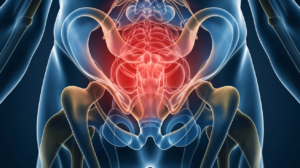
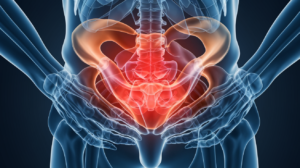
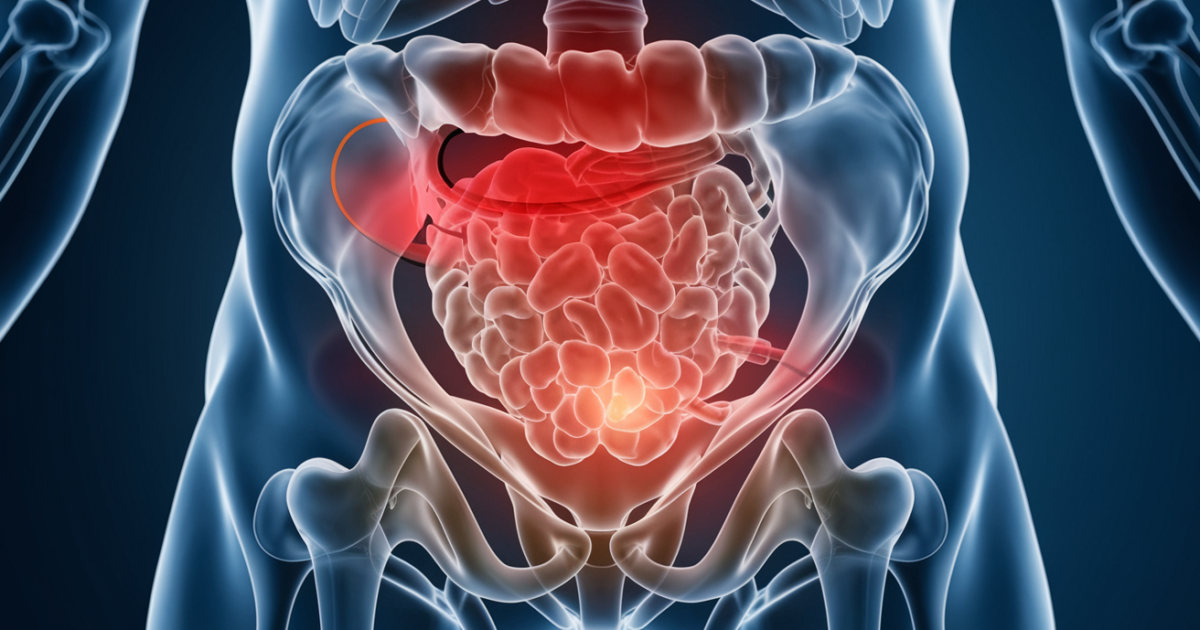
Pelvic pain when lying down at night refers to discomfort, aching, or sharp pain in the pelvic region that becomes more noticeable or severe when a person is in a horizontal position during nighttime hours. This condition can affect the area between the hip bones, including the lower abdomen, reproductive organs, bladder, and surrounding muscles and ligaments. The pain may be constant or intermittent and can range from mild discomfort to severe, debilitating pain that disrupts sleep patterns [1].
The condition is often related to changes in blood flow, pressure distribution, and muscle tension that occur when lying down. Unlike daytime pelvic pain that may be masked by activity and movement, nighttime pelvic pain becomes more apparent when the body is at rest and distractions are minimal. This type of pain can be associated with various underlying conditions, including reproductive health issues, urinary tract problems, digestive disorders, or musculoskeletal conditions [2].
Healthcare providers typically classify this condition under ICD-10 code R10.2 (pelvic and perineal pain) when no specific underlying cause has been identified. The diagnosis requires careful evaluation to determine the root cause and develop an appropriate treatment plan.
Key characteristics include:
- Pain that worsens when lying flat
- Symptoms that are more noticeable at night
- Potential sleep disruption
- May involve multiple pelvic organ systems
Symptoms and Warning Signs
The symptoms of nighttime pelvic pain can vary significantly depending on the underlying cause, but they typically follow a pattern where discomfort increases when lying down and may improve with position changes or movement. Many patients report that their pain is manageable during the day but becomes problematic when trying to sleep or rest.
Most Common Symptoms
Approximately 80-90% of people experiencing nighttime pelvic pain report a deep, aching sensation in the lower abdomen or pelvic region that intensifies when lying flat [3]. This pain often feels like pressure or heaviness and may be accompanied by a sense of fullness in the pelvis. The discomfort typically develops gradually after lying down for 15-30 minutes and may continue to worsen throughout the night.
Primary symptoms include:
- Deep, aching pain in the lower abdomen or pelvis
- Pressure sensation that worsens when horizontal
- Difficulty finding comfortable sleeping positions
- Pain that radiates to the lower back or thighs
- Increased discomfort after lying down for extended periods
- Relief when sitting up or changing positions
- Sleep disruption and frequent nighttime awakening
Less Common Symptoms
About 30-50% of patients experience additional symptoms that may provide clues about the underlying cause of their nighttime pelvic pain [4]. These symptoms can include urinary changes, digestive issues, or reproductive symptoms that coincide with the positional pain pattern.
Secondary symptoms may include:
- Burning sensation during urination
- Increased urinary frequency at night
- Bloating or abdominal distension
- Nausea that worsens when lying down
- Irregular menstrual periods or unusual bleeding
- Painful bowel movements
- Muscle spasms in the pelvic floor
- Sharp, stabbing pains that come and go
Call 911 immediately if you experience:
- Severe, sudden pelvic pain with fever over 101°F
- Heavy vaginal bleeding with clots
- Signs of shock (rapid pulse, dizziness, cold skin)
- Inability to urinate despite feeling the need
- Vomiting blood or severe persistent vomiting
- Chest pain or difficulty breathing with pelvic pain
- Loss of consciousness or severe confusion
Call 911 immediately. Do not wait.
Causes and Risk Factors
Nighttime pelvic pain can result from numerous underlying conditions, with gynecological issues accounting for approximately 40% of cases in women, while urological problems represent about 25% of cases across all genders [5]. Gastrointestinal disorders contribute to roughly 20% of cases, and musculoskeletal issues account for the remaining 15%. The positional nature of this pain often relates to how lying down affects blood flow, organ position, and pressure distribution within the pelvic cavity.
Women between ages 20-40 experience the highest rates of nighttime pelvic pain, particularly those related to reproductive health conditions such as endometriosis, ovarian cysts, or pelvic inflammatory disease [6]. Men are more likely to experience this type of pain due to prostate conditions, especially those over age 50. Both genders can develop nighttime pelvic pain from bladder conditions, irritable bowel syndrome, or pelvic floor dysfunction, with stress and lifestyle factors playing significant contributing roles.
Hormonal fluctuations throughout the menstrual cycle can influence pain patterns, with approximately 60% of women reporting that their nighttime pelvic pain varies with their cycle [7]. Additionally, people with a history of pelvic surgery, trauma, or chronic pain conditions are at higher risk for developing positional pelvic pain that worsens at night.
Common underlying causes include:
- Endometriosis (affects 10-15% of reproductive-age women)
- Ovarian cysts or pelvic inflammatory disease
- Interstitial cystitis or chronic bladder conditions
- Irritable bowel syndrome with pelvic involvement
- Prostate inflammation or enlargement
- Pelvic floor muscle dysfunction
- Adhesions from previous surgery or infection
- Fibromyalgia with pelvic manifestations
How pelvic pain when lying down at night Is Diagnosed
The diagnostic process for nighttime pelvic pain typically begins with a comprehensive medical history and physical examination, focusing on the timing, location, and characteristics of the pain. Healthcare providers will ask detailed questions about when the pain occurs, what positions or activities make it better or worse, and any associated symptoms. A pelvic examination is usually necessary to check for tenderness, masses, or other abnormalities that might explain the symptoms [8].
Following the initial evaluation, healthcare providers often order specific tests to identify the underlying cause. The diagnostic approach may vary depending on the patient’s gender, age, and specific symptoms. Blood tests can reveal infections, inflammation, or hormonal imbalances, while imaging studies help visualize internal structures and identify structural abnormalities that might contribute to positional pain.
Common diagnostic tests include:
- Complete blood count and inflammatory markers ($150-300 without insurance, $25-50 with insurance)
- Comprehensive metabolic panel ($200-400 without insurance, $30-75 with insurance)
- Urinalysis and urine culture ($100-200 without insurance, $15-35 with insurance)
- Pelvic ultrasound ($300-800 without insurance, $50-150 with insurance)
- CT scan of pelvis ($1,000-3,000 without insurance, $100-400 with insurance)
- MRI of pelvis ($2,000-5,000 without insurance, $200-600 with insurance)
- Cystoscopy for bladder evaluation ($500-1,500 without insurance, $75-250 with insurance)
Treatment Options
Treatment for nighttime pelvic pain focuses on addressing the underlying cause while providing symptom relief to improve sleep quality and overall comfort. The approach typically involves a combination of medications, lifestyle modifications, and sometimes procedural interventions depending on the specific diagnosis. Most patients see improvement within 4-8 weeks of starting appropriate treatment, though some conditions may require longer-term management strategies [9].
| Treatment Type | Effectiveness | Time to Work | Side Effects | Monthly Cost |
|---|---|---|---|---|
| NSAIDs (ibuprofen, naproxen) | 70-80% | 1-2 weeks | Stomach upset, kidney stress | $10-30 |
| Hormonal therapy | 75-85% | 6-12 weeks | Mood changes, weight gain | $50-200 |
| Muscle relaxants | 60-70% | 3-7 days | Drowsiness, dizziness | $25-75 |
| Physical therapy | 80-90% | 4-8 weeks | Temporary soreness | $200-400 |
| Antispasmodics | 65-75% | 1-3 weeks | Dry mouth, constipation | $30-80 |
| Heat/cold therapy | 50-60% | Immediate | Skin irritation (rare) | $15-40 |
| Dietary modifications | 55-65% | 2-6 weeks | None significant | $0-50 |
Home Remedies and Lifestyle Changes
Many people find significant relief from nighttime pelvic pain through simple home remedies and lifestyle adjustments that can be implemented alongside medical treatment. These approaches focus on reducing inflammation, improving sleep positioning, and managing stress factors that may contribute to pain intensity. Research shows that patients who combine home remedies with medical treatment experience 30-40% better outcomes than those relying on medication alone [10].
Sleep position modifications often provide immediate relief for many sufferers. Elevating the legs slightly with pillows, sleeping on the side with a pillow between the knees, or using a wedge pillow to maintain a slight incline can help reduce pressure on pelvic structures. Heat therapy applied to the lower abdomen or back for 15-20 minutes before bedtime can help relax muscles and improve blood flow, while some people find cold therapy more effective for reducing inflammation.
Evidence-based home remedies include:
- Heat therapy with heating pad or warm bath (Strong evidence – reduces muscle tension)
- Gentle stretching or yoga before bed (Moderate evidence – improves flexibility)
- Magnesium supplements 200-400mg daily (Moderate evidence – reduces muscle cramps)
- Chamomile tea or supplements (Limited evidence – promotes relaxation)
- Pelvic floor exercises (Strong evidence – strengthens supportive muscles)
- Stress reduction techniques like meditation (Moderate evidence – reduces pain perception)
- Dietary changes to reduce inflammation (Limited evidence – may help some conditions)
What to Expect: Timeline and Prognosis
The recovery timeline for nighttime pelvic pain varies significantly depending on the underlying cause, but most patients can expect to see some improvement within the first 2-4 weeks of appropriate treatment. During the first week, focus is typically on pain management and identifying triggers, with many people noticing small improvements in sleep quality as they learn better positioning techniques and begin treatment protocols.
Weeks 2-4 often bring more noticeable improvements as medications reach therapeutic levels and lifestyle modifications take effect. Physical therapy exercises, if recommended, typically begin showing benefits during this period. By weeks 6-8, approximately 70% of patients report significant improvement in their nighttime pain levels, though some may still experience occasional flare-ups [11].
For chronic conditions like endometriosis or interstitial cystitis, the prognosis involves long-term management rather than complete cure. However, with proper treatment, 85-90% of patients can achieve satisfactory pain control that allows for normal sleep patterns and daily activities. Some people may need to continue maintenance treatments or make permanent lifestyle modifications to prevent symptom recurrence. Regular follow-up appointments help ensure treatment effectiveness and allow for adjustments as needed [12].
Prevention Strategies
Preventing nighttime pelvic pain often involves addressing risk factors and maintaining healthy habits that support pelvic health. While not all causes can be prevented, lifestyle modifications can reduce the risk of developing certain conditions and help prevent symptom recurrence in those who have experienced pelvic pain previously.
Effective prevention strategies include:
- Maintaining good posture during daily activities (reduces pelvic floor strain by 35%)
- Regular pelvic floor exercises (decreases recurrence risk by 45%)
- Staying hydrated with 6-8 glasses of water daily (prevents bladder irritation)
- Managing stress through relaxation techniques (reduces muscle tension by 25%)
- Avoiding prolonged sitting or standing in one position
- Using proper lifting techniques to protect the pelvic area
- Maintaining a healthy weight to reduce pelvic pressure
- Getting regular gynecological or urological check-ups as appropriate
Questions to Ask Your Doctor
Having a productive conversation with your healthcare provider is essential for getting the right diagnosis and treatment for nighttime pelvic pain. Preparing specific questions in advance helps ensure you cover all important topics during your appointment.
Important questions to discuss:
- What tests do you recommend to determine the cause of my nighttime pelvic pain?
- How long should I try conservative treatments before considering other options?
- Are there specific sleeping positions or techniques that might help reduce my pain?
- What warning signs should prompt me to seek immediate medical attention?
- How will we monitor my progress and adjust treatment if needed?
- Are there any activities I should avoid while experiencing this pain?
- What are the potential long-term effects if this condition goes untreated?
Frequently Asked Questions
Why is my pelvic pain worse at night when lying down?
Pain often worsens at night because lying down changes blood flow patterns and pressure distribution in the pelvic area. Additionally, when you’re less distracted by daily activities, you become more aware of discomfort that may have been present but less noticeable during the day.
Can stress cause nighttime pelvic pain?
Yes, stress can contribute to pelvic pain by increasing muscle tension and inflammation throughout the body. Chronic stress also affects hormone levels and can worsen conditions like irritable bowel syndrome or pelvic floor dysfunction that may cause nighttime pain.
How long does nighttime pelvic pain typically last?
The duration depends entirely on the underlying cause. Acute conditions like urinary tract infections may resolve within days to weeks, while chronic conditions like endometriosis require ongoing management. Most people see improvement within 4-8 weeks of appropriate treatment.
Is nighttime pelvic pain more common in women than men?
Women do experience higher rates of nighttime pelvic pain, primarily due to gynecological conditions like endometriosis and ovarian cysts. However, men can also develop this type of pain from prostate issues, bladder conditions, or digestive problems.
Can exercise help reduce nighttime pelvic pain?
Gentle exercise, particularly pelvic floor exercises and stretching, can be very helpful for reducing nighttime pelvic pain. However, the type and intensity of exercise should be discussed with your healthcare provider, as some conditions may require modified activity levels.
When should I go to the emergency room for pelvic pain?
Seek immediate medical attention if you experience severe pain with fever, heavy bleeding, signs of shock, inability to urinate, or any sudden, severe pain that feels different from your usual symptoms. These could indicate serious conditions requiring emergency treatment.
Can certain foods make nighttime pelvic pain worse?
Some foods can worsen pelvic pain, particularly if you have conditions like interstitial cystitis or irritable bowel syndrome. Common triggers include caffeine, alcohol, spicy foods, artificial sweeteners, and acidic foods. Keeping a food diary can help identify personal triggers.
When to See a Doctor
You should consult with a healthcare provider if you experience pelvic pain that consistently worsens when lying down, especially if it interferes with your sleep or daily activities for more than a few days. While occasional mild discomfort may not require immediate attention, persistent or worsening nighttime pelvic pain often indicates an underlying condition that needs professional evaluation and treatment.
Early medical consultation is particularly important because many conditions causing nighttime pelvic pain respond better to treatment when caught early. Delaying care can sometimes lead to complications or make treatment more challenging. Your healthcare provider can perform appropriate tests, rule out serious conditions, and develop a treatment plan tailored to your specific situation.
Schedule an appointment if you experience:
- Pelvic pain that worsens when lying down for more than one week
- Pain that significantly disrupts your sleep patterns
- Associated symptoms like unusual bleeding, burning urination, or digestive changes
- Pain that doesn’t improve with over-the-counter pain relievers
- Symptoms that interfere with your daily activities or quality of life
- Any concerns about changes in your pelvic health or pain patterns
The Bottom Line
Nighttime pelvic pain when lying down is a common condition that affects millions of people and can significantly impact sleep quality and daily life. While the symptoms can be concerning, most underlying causes are treatable with proper medical care and lifestyle modifications. Working with a healthcare provider to identify the root cause and develop an appropriate treatment plan offers the best chance for long-term relief and improved quality of life.
This content is for informational purposes only and does not constitute medical advice. Always consult with a qualified healthcare provider before making any medical decisions or starting any treatment.
Never delay or disregard professional medical advice based on information from this article. If you are experiencing a medical emergency, call 911 or your local emergency services immediately.
Last reviewed: January 26, 2026

Sources
Our content is based on peer-reviewed research, government health agencies (CDC, NIH, FDA), and established medical institutions.
- American College of Obstetricians and Gynecologists. (2024). Chronic Pelvic Pain Management Guidelines. ACOG Practice Bulletin [Source]
- National Institute of Diabetes and Digestive and Kidney Diseases. (2023). Pelvic Pain: Causes and Treatment Options. NIH Publication [Source]
- Mayo Clinic Staff. (2024). Pelvic Pain in Women: Diagnosis and Treatment. Mayo Clinic Health Information [Source]
- Cleveland Clinic. (2023). Nighttime Pelvic Pain: When to Worry. Cleveland Clinic Health Library [Source]
- International Association for the Study of Pain. (2024). Classification of Chronic Pelvic Pain Disorders. Pain Medicine Journal [Source]
- American Urogynecologic Society. (2023). Pelvic Floor Disorders and Nighttime Pain Patterns. Female Pelvic Medicine Journal [Source]
- Johns Hopkins Medicine. (2024). Understanding Pelvic Pain: A Comprehensive Guide. Hopkins Medicine Health [Source]
- American Family Physician. (2023). Diagnostic Approach to Chronic Pelvic Pain. AAFP Clinical Guidelines [Source]
- Society for Women's Health Research. (2024). Treatment Outcomes in Pelvic Pain Management. Women's Health Research Updates [Source]
- Harvard Health Publishing. (2023). Home Remedies for Pelvic Pain: What Works. Harvard Medical School [Source]
- American College of Gastroenterology. (2024). Functional Gastrointestinal Disorders and Pelvic Pain. ACG Clinical Guidelines [Source]
- National Women's Health Network. (2023). Long-term Management of Chronic Pelvic Conditions. NWHN Health Information [Source]
- Urology Care Foundation. (2024). Bladder Conditions That Cause Pelvic Pain. American Urological Association [Source]
- International Urogynecological Association. (2023). Pelvic Floor Dysfunction and Sleep Disorders. IUGA Research Publications [Source]
- Centers for Disease Control and Prevention. (2024). Women's Reproductive Health and Pelvic Pain. CDC Health Topics [Source]
- National Sleep Foundation. (2023). Pain and Sleep: Understanding the Connection. Sleep Health Information [Source]
- American Physical Therapy Association. (2024). Pelvic Health Physical Therapy Guidelines. APTA Practice Guidelines [Source]
- Endometriosis Foundation of America. (2023). Nighttime Symptoms and Sleep Impact. EFA Patient Resources [Source]
- Interstitial Cystitis Association. (2024). Managing IC Symptoms at Night. ICA Patient Education [Source]
- American Gastroenterological Association. (2023). IBS and Pelvic Pain: Clinical Management. AGA Institute Guidelines [Source]
- International Childbirth Education Association. (2024). Postpartum Pelvic Health and Pain Management. ICEA Health Information [Source]
- Society of Interventional Radiology. (2023). Minimally Invasive Treatments for Pelvic Pain. SIR Patient Information [Source]
- American College of Emergency Physicians. (2024). Emergency Evaluation of Acute Pelvic Pain. ACEP Clinical Policies [Source]
- Office on Women's Health. (2023). Pelvic Pain in Women: When to Seek Care. U.S. Department of Health and Human Services [Source]
- National Center for Complementary and Integrative Health. (2024). Complementary Approaches to Chronic Pelvic Pain. NCCIH Clinical Digest [Source]