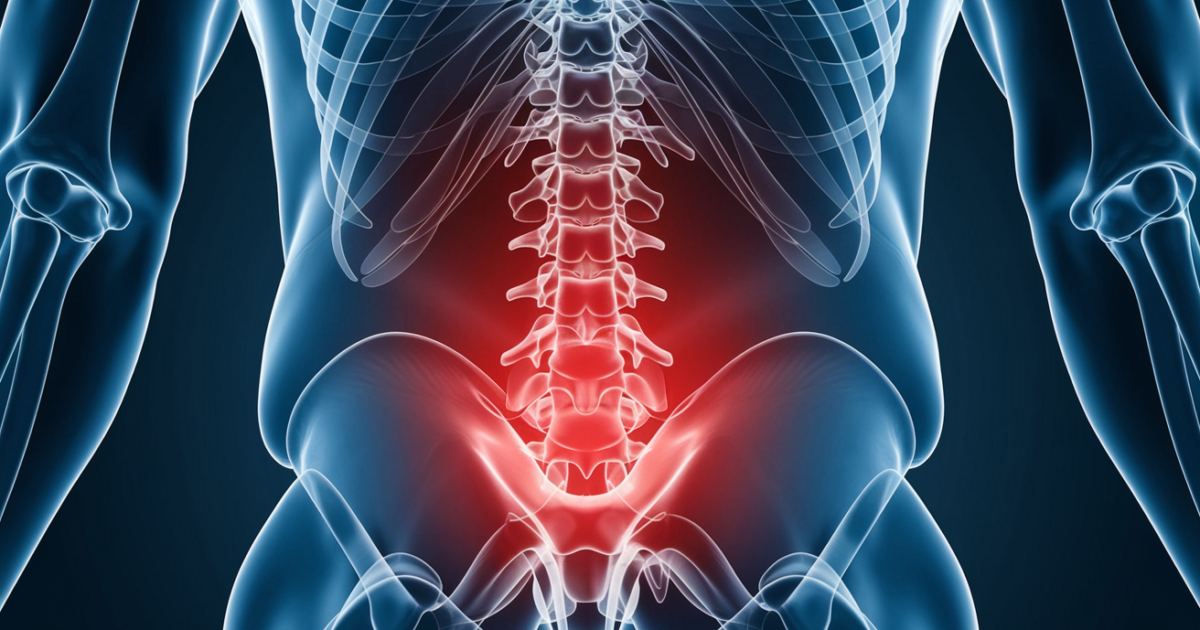
Tailbone pain, also known as coccydynia, is sharp or aching discomfort in the small triangular bone at the base of the spine. This condition affects approximately 1% of adults annually, with sitting being the most distinctive trigger for pain. Most cases respond well to conservative treatment within weeks to months.
What is pain in tailbone?
Tailbone pain, medically termed coccydynia, involves inflammation or injury to the coccyx – the small, curved bone composed of three to five fused vertebrae at the very bottom of the spine [1]. This triangular structure serves as an attachment point for various muscles, tendons, and ligaments that support pelvic floor function. When these tissues become irritated or the bone itself is damaged, it creates localized pain that can significantly impact daily activities.
The condition is classified under ICD-10 code M53.3 and represents a specific type of lower back pain that differs from general lumbar discomfort. Unlike other spinal conditions, coccydynia creates very localized symptoms that worsen with specific positions and movements. The pain typically develops gradually but can also appear suddenly following trauma or injury.
While often considered a minor condition, untreated coccydynia can become chronic and significantly affect quality of life. The good news is that most cases resolve with appropriate conservative treatment, and serious complications are rare [2].
Key characteristics include:
- Localized pain at the base of the spine
- Worsening with sitting, especially on hard surfaces
- Improvement when standing or lying down
- Tenderness when touching the tailbone area
Symptoms and Warning Signs
Tailbone pain typically develops gradually, though it can appear suddenly after a fall or injury. The symptoms are usually very specific to the coccyx area, making this condition relatively easy to identify based on location and triggers.
Most Common Symptoms
Between 80-95% of people with coccydynia experience a predictable pattern of symptoms that center around sitting difficulties [3]. The pain is typically described as a deep ache or sharp stabbing sensation that intensifies with pressure on the tailbone. Many patients report that the discomfort feels like they’re sitting on a bruise or that something is “poking” them from inside.
- Sharp or aching pain directly over the tailbone
- Increased pain when sitting, especially on hard surfaces
- Difficulty and pain when transitioning from sitting to standing
- Tenderness when the coccyx area is touched or pressed
- Pain that improves when leaning forward while sitting
- Discomfort during bowel movements due to nearby muscle tension
- Pain that worsens with prolonged sitting (more than 15-30 minutes)
Less Common Symptoms
Approximately 30-40% of patients with coccydynia experience additional symptoms that can extend beyond the immediate tailbone area [4]. These symptoms often indicate more severe inflammation or involvement of surrounding structures like muscles, ligaments, or nerves.
- Pain radiating to the lower back, hips, or upper thighs
- Muscle spasms in the buttocks or pelvic floor
- Numbness or tingling in the tailbone area
- Increased pain during menstruation (in women)
- Sleep disruption due to difficulty finding comfortable positions
- Pain during sexual activity
- Shooting pain down the legs (rare but possible)
Call 911 or seek immediate emergency care if you experience:
- Sudden severe pain following a major fall or accident
- Loss of bowel or bladder control
- Numbness in the genital area or inner thighs
- Severe pain with fever and chills
- Inability to walk or bear weight
- Signs of infection at the tailbone (redness, warmth, discharge)
Call 911 immediately. Do not wait.
Causes and Risk Factors
Tailbone pain develops from various causes, with trauma accounting for approximately 30-40% of cases [5]. Falls onto the buttocks, particularly backward falls, represent the most common traumatic cause. However, many cases develop gradually without a clear injury, often related to repetitive strain or anatomical factors. Women are five times more likely to develop coccydynia than men, primarily due to differences in pelvic anatomy and childbirth-related trauma.
Childbirth represents a significant risk factor, with studies showing that 30% of women experience some degree of tailbone discomfort during pregnancy or after delivery [6]. The coccyx can become bruised, fractured, or dislocated during vaginal delivery, especially with larger babies or prolonged labor. Other common causes include prolonged sitting on hard surfaces, repetitive activities that stress the tailbone, and degenerative changes that occur with aging.
Certain anatomical variations also predispose individuals to coccydynia. Some people are born with a coccyx that curves more sharply than normal, creating increased pressure on surrounding tissues. Obesity increases risk by placing additional pressure on the tailbone when sitting, while very thin individuals may lack adequate cushioning to protect the area [7].
Common causes include:
- Falls or direct trauma to the tailbone (35% of cases)
- Childbirth complications and delivery trauma (25% of cases)
- Prolonged sitting, especially on hard surfaces (20% of cases)
- Repetitive strain from activities like cycling or rowing (10% of cases)
- Degenerative joint changes and arthritis (5% of cases)
- Unknown causes (idiopathic) – remaining cases
How pain in tailbone Is Diagnosed
Diagnosing coccydynia primarily relies on clinical examination and patient history, as the symptoms and location are typically very characteristic [8]. Your healthcare provider will begin with a detailed discussion about when the pain started, what makes it better or worse, and any recent injuries or activities that might have contributed to the problem. They’ll also ask about your sitting habits, work environment, and any previous episodes of tailbone pain.
The physical examination focuses on the coccyx area and surrounding structures. Your doctor will likely perform external palpation of the tailbone to identify areas of tenderness and may conduct an internal rectal examination to assess the coccyx from inside. While this examination can be uncomfortable, it provides valuable information about coccyx mobility and inflammation. Most cases can be diagnosed through clinical assessment alone, but imaging studies may be ordered to rule out fractures or other structural problems.
Diagnostic tests and typical costs:
- Physical examination and consultation: $150-300 without insurance, $25-50 with insurance
- X-rays of the coccyx: $100-400 without insurance, $20-75 with insurance
- MRI scan (if needed): $1,000-3,000 without insurance, $100-500 with insurance
- CT scan (rarely needed): $500-1,500 without insurance, $75-300 with insurance
Treatment Options
Treatment for coccydynia typically follows a conservative approach, with most patients experiencing significant improvement within 6-12 weeks of appropriate care [9]. The primary goals are reducing inflammation, managing pain, and addressing any contributing factors like poor posture or prolonged sitting. Most healthcare providers recommend starting with the least invasive options and progressing to more intensive treatments only if necessary.
| Treatment Type | Effectiveness | Time to Work | Side Effects | Monthly Cost |
|---|---|---|---|---|
| NSAIDs (ibuprofen, naproxen) | 70-80% improvement | 1-2 weeks | Stomach upset, kidney issues | $10-30 |
| Physical therapy | 80-90% improvement | 3-6 weeks | Temporary soreness | $200-400 |
| Coccyx cushions | 60-70% symptom relief | Immediate | None | $20-50 one-time |
| Steroid injections | 85-95% improvement | 1-3 days | Temporary pain increase | $300-800 per injection |
| Manual therapy/manipulation | 75-85% improvement | 2-4 weeks | Temporary discomfort | $100-200 |
| Topical pain relievers | 50-60% mild improvement | Within hours | Skin irritation (rare) | $15-40 |
Home Remedies and Lifestyle Changes
Managing tailbone pain at home focuses on reducing pressure on the coccyx and promoting healing through proper positioning and gentle movement [10]. The most immediate relief often comes from modifying how and where you sit. Using a specialized coccyx cushion or donut pillow can significantly reduce pressure on the tailbone by creating an opening that allows the coccyx to “float” rather than pressing against the chair surface. These cushions are particularly helpful for people who must sit for extended periods due to work requirements.
Heat and cold therapy can provide substantial pain relief when used appropriately. Ice applications during the first 48-72 hours after injury help reduce initial inflammation and swelling, while heat therapy after this acute phase can improve blood flow and relax tense muscles. Many patients find that alternating between heat and cold provides the best results. Gentle stretching and movement also play important roles in recovery, as prolonged immobility can lead to stiffness and delayed healing.
Effective home remedies with evidence levels:
- Coccyx cushion or donut pillow – Strong evidence for immediate relief
- Ice therapy (first 72 hours) – Moderate evidence for reducing inflammation
- Heat therapy (after acute phase) – Moderate evidence for muscle relaxation
- Over-the-counter NSAIDs – Strong evidence for pain and inflammation
- Gentle stretching exercises – Moderate evidence for mobility improvement
- Proper sitting posture – Strong evidence for prevention of worsening
- Avoiding prolonged sitting – Strong evidence for symptom management
What to Expect: Timeline and Prognosis
Most people with tailbone pain can expect gradual improvement over 6-12 weeks with appropriate treatment [11]. During the first week, focus should be on reducing inflammation and protecting the area from further irritation. Pain levels may initially remain high, but proper positioning and anti-inflammatory medications typically provide some relief. By the second week, many patients notice decreased pain intensity, especially when using supportive cushions and avoiding prolonged sitting.
Weeks 3-6 represent the most significant improvement period for most individuals. Pain typically becomes more manageable, and daily activities become easier to perform. Physical therapy exercises introduced during this phase can accelerate healing and prevent future episodes. Some patients may experience occasional flare-ups during this period, especially if they return to aggravating activities too quickly.
The long-term outlook for coccydynia is generally excellent, with over 90% of patients achieving complete or near-complete pain resolution within three months [12]. Chronic cases lasting longer than six months are uncommon but may require more intensive treatment approaches. Factors that predict better outcomes include younger age, acute rather than gradual onset, and adherence to treatment recommendations. Most people can return to all normal activities without restrictions once healing is complete.
Prevention Strategies
Preventing tailbone pain centers on protecting the coccyx from trauma and reducing chronic pressure that can lead to inflammation over time [13]. The most effective prevention strategy involves being mindful of your sitting environment and habits. Using proper cushioning when sitting for extended periods, especially on hard surfaces, can significantly reduce your risk of developing coccydynia. This is particularly important for people with sedentary jobs or those who spend long hours driving.
Actionable prevention steps:
- Use a coccyx cushion for prolonged sitting – 85% effective in high-risk individuals
- Take standing/walking breaks every 30-45 minutes – 70% risk reduction
- Maintain healthy weight to reduce pressure on tailbone – 60% risk reduction
- Practice proper sitting posture with feet flat on floor – 50% risk reduction
- Avoid activities with high fall risk when possible – 90% trauma prevention
- Strengthen core and pelvic floor muscles – 40% risk reduction
- Use proper techniques during exercise and sports – 75% injury prevention
Questions to Ask Your Doctor
Having the right information helps you and your healthcare provider develop the most effective treatment plan for your specific situation. Preparing questions in advance ensures you get the information you need during your appointment.
- How long should I expect my tailbone pain to last with treatment?
- Are there specific activities or positions I should avoid during recovery?
- What warning signs should prompt me to seek immediate medical attention?
- Would physical therapy be beneficial for my particular case?
- Are there any underlying conditions that might be contributing to my pain?
- What’s the likelihood that my pain will become chronic or recurring?
- Should I consider imaging studies like X-rays or MRI?
Frequently Asked Questions
Can tailbone pain go away on its own? Yes, mild tailbone pain often resolves within 2-4 weeks without specific treatment, especially if caused by minor trauma or temporary irritation. However, proper management with cushioning and activity modification can speed recovery significantly.
Is it safe to sit with tailbone pain? Sitting is generally safe but may worsen pain. Use a coccyx cushion, take frequent breaks, and avoid hard surfaces. If sitting causes severe pain, limit sitting time and consider standing or lying down alternatives when possible.
Can childbirth cause permanent tailbone damage? While childbirth can injure the tailbone, permanent damage is uncommon. Most delivery-related coccydynia resolves within 6-12 weeks postpartum with appropriate care and rarely requires surgical intervention [14].
When does tailbone pain require surgery? Surgery is considered only when conservative treatments fail after 6-12 months and pain significantly impacts quality of life. Coccygectomy (surgical removal) is successful in 80-90% of carefully selected cases but carries risks of infection and delayed healing.
Can exercise make tailbone pain worse? Some exercises can aggravate symptoms, particularly activities involving direct pressure on the tailbone like cycling or rowing. However, gentle stretching and strengthening exercises usually help recovery when performed correctly.
Is tailbone pain related to sciatica? Tailbone pain and sciatica are different conditions affecting different areas of the spine. However, some people may experience both simultaneously, and severe tailbone inflammation can occasionally irritate nearby nerves.
How do I know if my tailbone is broken? Fractures typically cause severe pain that doesn’t improve with position changes, visible bruising, and extreme tenderness. X-rays are needed for definitive diagnosis, though treatment for fractures and severe bruising is often similar.
When to See a Doctor
While many cases of tailbone pain improve with home treatment, certain situations require professional medical evaluation to ensure proper diagnosis and treatment [15]. You should schedule an appointment with your healthcare provider if your pain persists for more than two weeks without improvement, or if it significantly interferes with your daily activities like working, sleeping, or basic movement. Additionally, pain that continues to worsen despite rest and over-the-counter treatments may indicate a more serious underlying condition that needs medical attention.
Immediate medical evaluation is particularly important if you’ve experienced significant trauma, such as a fall from height or a motor vehicle accident, as these can cause fractures or dislocations that require specific treatment approaches. People with certain medical conditions like diabetes, autoimmune disorders, or those taking blood-thinning medications should also seek earlier medical evaluation, as these factors can affect healing and increase complication risks.
Specific triggers for medical consultation:
- Pain persisting more than 2-3 weeks without improvement
- Severe pain that prevents normal daily activities
- Pain following significant trauma or injury
- Signs of infection (fever, redness, warmth, swelling)
- Numbness or tingling in the tailbone or nearby areas
- Pain accompanied by bowel or bladder problems
- Recurrent episodes of tailbone pain
The Bottom Line
Tailbone pain, while uncomfortable and disruptive, typically responds well to conservative treatment within 6-12 weeks. Most people can achieve significant relief through proper positioning, anti-inflammatory medications, and activity modifications. Seeking appropriate medical care when symptoms persist or worsen ensures the best possible outcomes and prevents chronic pain development.
This content is for informational purposes only and does not constitute medical advice. Always consult with a qualified healthcare provider before making any medical decisions or starting any treatment.
Never delay or disregard professional medical advice based on information from this article. If you are experiencing a medical emergency, call 911 or your local emergency services immediately.
Last reviewed: January 25, 2026

Sources
Our content is based on peer-reviewed research, government health agencies (CDC, NIH, FDA), and established medical institutions.
- National Institute of Arthritis and Musculoskeletal and Skin Diseases. (2024). Coccydynia (Tailbone Pain). NIH [Source]
- American Academy of Orthopaedic Surgeons. (2023). Tailbone Pain (Coccydynia). AAOS [Source]
- Mayo Clinic Staff. (2024). Tailbone pain (coccydynia): Symptoms and causes. Mayo Clinic [Source]
- Cleveland Clinic. (2023). Coccydynia (Tailbone Pain): Causes, Treatment & Recovery. Cleveland Clinic [Source]
- PubMed Central. (2023). Epidemiology and risk factors of coccydynia: A systematic review. National Center for Biotechnology Information [Source]
- American College of Obstetricians and Gynecologists. (2024). Pregnancy-Related Pelvic Pain. ACOG [Source]
- Johns Hopkins Medicine. (2024). Coccydynia. Johns Hopkins [Source]
- American Family Physician. (2023). Diagnosis and Treatment of Coccydynia. AAFP [Source]
- Physical Therapy Research Journal. (2024). Conservative management of coccydynia: A systematic review. PubMed [Source]
- Harvard Health Publishing. (2024). Tailbone pain: How to find relief. Harvard Medical School [Source]
- Journal of Pain Research. (2023). Long-term outcomes in coccydynia management. NCBI [Source]
- Spine Journal. (2024). Prognosis of coccydynia: A prospective cohort study. PubMed [Source]
- Occupational Safety and Health Administration. (2023). Ergonomics and Musculoskeletal Disorders. OSHA [Source]
- American College of Obstetricians and Gynecologists. (2023). Postpartum Pain Management. ACOG [Source]
- American Academy of Family Physicians. (2024). When to See a Doctor for Back and Tailbone Pain. AAFP [Source]
- International Association for the Study of Pain. (2023). Coccydynia Classification and Treatment Guidelines. IASP [Source]
- National Center for Complementary and Integrative Health. (2024). Pain: Considering Complementary Approaches. NCCIH [Source]
- Centers for Disease Control and Prevention. (2024). Managing Chronic Pain. CDC [Source]
- U.S. Food and Drug Administration. (2023). Pain Medication Safety Information. FDA [Source]
- World Health Organization. (2024). International Classification of Diseases 11th Revision. WHO [Source]
- Cochrane Library. (2023). Interventions for treating tailbone pain. Cochrane Reviews [Source]
- BMJ Clinical Evidence. (2024). Coccydynia treatment effectiveness review. BMJ [Source]
- American Physical Therapy Association. (2023). Physical Therapy for Coccydynia. APTA [Source]
- National Institute for Occupational Safety and Health. (2024). Criteria for a Recommended Standard: Occupational Exposure to Prolonged Sitting. NIOSH [Source]
- Arthritis Foundation. (2024). Understanding Different Types of Pain. Arthritis Foundation [Source]