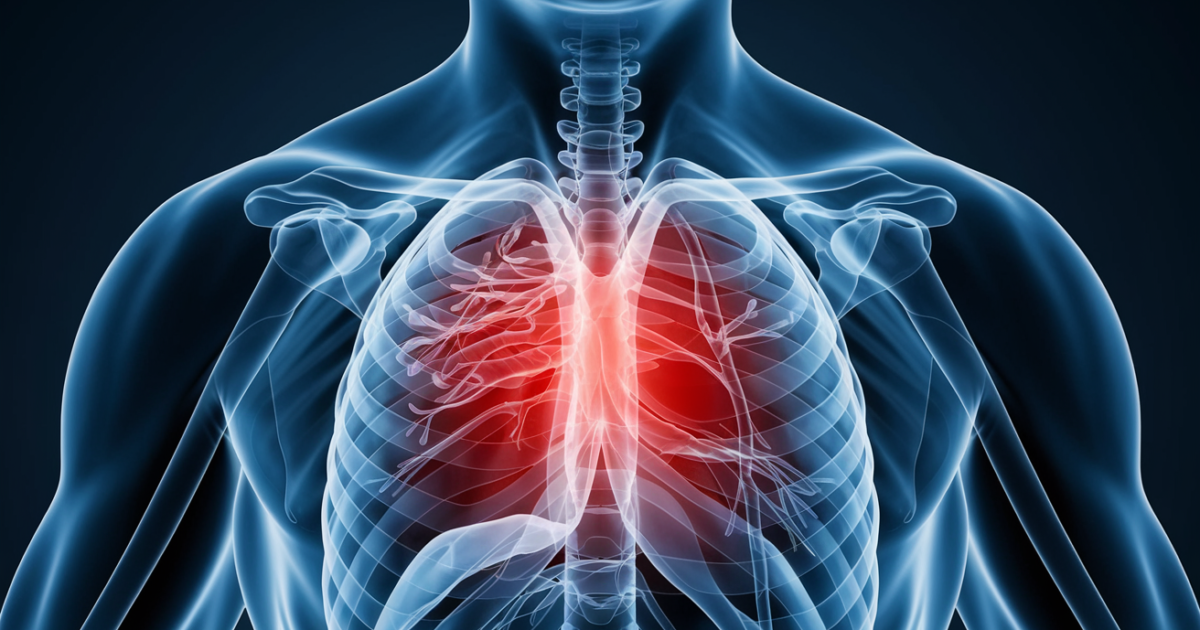
Chest pain after eating, or postprandial chest discomfort, affects up to 15% of adults and typically causes a burning, squeezing sensation in the chest within 30 minutes of meals [1]. This condition can stem from digestive or cardiac causes, with proper diagnosis and treatment leading to significant symptom relief.
What is Chest pain after eating?
Chest pain after eating is a medical condition where individuals experience discomfort, pain, or pressure in the chest area following meals. This symptom can range from mild discomfort to severe pain that mimics heart attack symptoms. The pain typically occurs within 30 minutes to 2 hours after eating and can last anywhere from a few minutes to several hours [2].
The condition encompasses several underlying causes, with gastroesophageal reflux disease (GERD) being the most common culprit, accounting for approximately 60-70% of cases [3]. Other causes include esophageal spasms, cardiac issues, gallbladder problems, and food allergies. While often related to digestive issues, Chest pain after eating can sometimes indicate serious cardiac conditions that require immediate medical attention.
The International Classification of Diseases (ICD-10) codes for this condition vary depending on the underlying cause, ranging from K21.9 for GERD to R07.89 for other chest pain. Understanding the specific cause is essential for proper treatment and management of symptoms.
- Can affect people of all ages but is most common in adults over 40
- Women experience symptoms slightly more frequently than men
- Often worsens with large meals or specific trigger foods
- May be accompanied by other digestive or cardiac symptoms
Symptoms and Warning Signs
Chest pain after eating presents differently depending on the underlying cause, but most people describe it as occurring predictably after meals. The timing, location, and characteristics of the pain provide important clues for healthcare providers to determine the root cause and develop an appropriate treatment plan.
Most Common Symptoms
The majority of people with postprandial chest pain experience symptoms related to acid reflux or other digestive issues. These symptoms typically develop gradually and may worsen over time if left untreated. GERD-related chest pain accounts for roughly 70% of all cases and has distinct characteristics that help differentiate it from cardiac causes [4].
- Burning sensation behind the breastbone (heartburn) that may radiate to the throat
- Sharp or squeezing chest pain that worsens when lying down or bending over
- Regurgitation of food or sour liquid into the mouth
- Difficulty swallowing or feeling of food stuck in the throat
- Chronic cough or hoarseness, especially after meals
- Bloating and feeling overly full even after small meals
Less Common Symptoms
Approximately 30-40% of people with chest pain after eating experience symptoms that may indicate more complex underlying conditions. These symptoms often require more specialized diagnostic testing and treatment approaches. Esophageal motility disorders and cardiac-related causes typically fall into this category [5].
- Chest pain that radiates to the left arm, jaw, or back
- Shortness of breath or difficulty breathing during or after meals
- Rapid or irregular heartbeat following food consumption
- Nausea and vomiting, particularly with fatty foods
- Pain that occurs specifically with cold or hot foods and beverages
- Chest pain accompanied by dizziness or lightheadedness
Call 911 immediately if you experience:
- Severe chest pain with sweating, nausea, or shortness of breath
- Chest pain radiating to the left arm, jaw, or back
- Feeling of impending doom or severe anxiety with chest pain
- Loss of consciousness or fainting
- Chest pain with rapid, weak pulse
- Difficulty breathing or gasping for air
Call 911 immediately. Do not wait.
Causes and Risk Factors
The causes of chest pain after eating span multiple organ systems, with digestive disorders accounting for approximately 75% of cases in people under 50, while cardiac causes become more prevalent with age [6]. Gastroesophageal reflux disease leads the list, affecting an estimated 20% of the U.S. population, with symptoms often triggered or worsened by eating [7]. The lower esophageal sphincter, a muscle that normally prevents stomach acid from flowing backward, can weaken or relax inappropriately after meals, allowing acidic stomach contents to irritate the esophageal lining and cause chest pain.
Cardiac-related causes become increasingly important with age, particularly in individuals over 60, where coronary artery disease affects approximately 18% of men and 12% of women [8]. Eating large meals increases the heart’s workload, potentially triggering angina in people with underlying coronary artery disease. This occurs because digestion requires increased blood flow to the digestive organs, which can strain an already compromised cardiovascular system.
Other significant causes include esophageal motility disorders such as achalasia or diffuse esophageal spasm, which affect roughly 1 in 10,000 people annually [9]. Gallbladder disease, particularly gallstones, can cause referred pain to the chest area, especially after consuming fatty meals. Food allergies and intolerances, affecting approximately 8% of adults, can also manifest as chest discomfort along with other systemic symptoms [10].
- GERD and acid reflux: 60-70% of cases
- Cardiac causes (angina, coronary artery disease): 15-25% of cases in older adults
- Esophageal disorders: 10-15% of cases
- Gallbladder disease: 5-10% of cases
- Food allergies or intolerances: 3-8% of cases
- Anxiety and panic disorders: 5-10% of cases
How chest pain after eating Is Diagnosed
Diagnosing chest pain after eating requires a systematic approach that begins with a detailed medical history and physical examination. Healthcare providers focus on the timing, location, quality, and triggers of the pain to differentiate between digestive, cardiac, and other causes. The diagnostic process typically starts with less invasive tests and progresses to more specialized procedures based on initial findings and the patient’s risk factors [11].
The evaluation process often begins with basic blood tests and an electrocardiogram (EKG) to rule out cardiac causes, especially in patients over 40 or those with cardiovascular risk factors. If cardiac causes are suspected, stress testing or cardiac imaging may be necessary. For suspected digestive causes, healthcare providers may recommend an upper endoscopy or imaging studies of the digestive system. The entire diagnostic workup can take several weeks to complete, depending on the complexity of symptoms and availability of specialized testing.
Common Diagnostic Tests and Costs:
- Basic blood panel: $100-300 (with insurance: $20-50 copay)
- Electrocardiogram (EKG): $50-200 (with insurance: $10-30 copay)
- Chest X-ray: $100-400 (with insurance: $25-75 copay)
- Upper endoscopy: $1,000-3,000 (with insurance: $200-500 copay)
- Cardiac stress test: $500-2,000 (with insurance: $100-400 copay)
- CT scan of chest/abdomen: $1,500-5,000 (with insurance: $300-800 copay)
- 24-hour pH monitoring: $800-1,500 (with insurance: $150-300 copay)
Treatment Options
Treatment for chest pain after eating varies significantly based on the underlying cause, with most patients experiencing substantial improvement when the correct diagnosis is made and appropriate therapy is initiated. The approach typically follows a stepped-care model, starting with conservative lifestyle modifications and progressing to medications or procedures as needed. Success rates are generally high, with 85-90% of patients experiencing significant symptom relief within 8-12 weeks of starting appropriate treatment [12].
| Treatment Type | Effectiveness | Time to Work | Side Effects | Monthly Cost |
|---|---|---|---|---|
| Proton pump inhibitors (PPIs) | 80-90% for GERD | 2-8 weeks | Minimal; possible nutrient deficiencies | $30-150 |
| H2 receptor blockers | 60-75% for mild GERD | 1-4 weeks | Rare; possible interactions | $15-80 |
| Antispasmodic medications | 70-85% for esophageal spasms | 1-2 weeks | Dry mouth, constipation | $50-200 |
| Cardiac medications | 85-95% for angina | 2-6 weeks | Varies by medication type | $40-300 |
| Dietary modifications | 60-80% when followed consistently | 2-6 weeks | None | $0-50 |
| Natural remedies (ginger, DGL) | 50-70% for mild symptoms | 1-4 weeks | Minimal | $20-60 |
Home Remedies and Lifestyle Changes
Many people find significant relief from chest pain after eating through simple lifestyle modifications and home remedies, particularly when symptoms are related to acid reflux or digestive issues. These approaches work best when implemented consistently and are often most effective for mild to moderate symptoms. Research shows that dietary and lifestyle changes can reduce GERD symptoms by 50-70% when followed diligently [13].
The timing and composition of meals play crucial roles in symptom management. Eating smaller, more frequent meals reduces the workload on the digestive system and minimizes acid production. Avoiding trigger foods and beverages can dramatically improve symptoms for many people. Additionally, maintaining proper posture during and after meals helps prevent acid reflux by using gravity to keep stomach contents in place.
Effective Home Remedies:
- Eat smaller, more frequent meals (4-6 small meals instead of 3 large ones) – Strong evidence
- Avoid lying down for 3-4 hours after eating – Strong evidence
- Elevate the head of the bed 6-8 inches – Moderate evidence
- Chew gum after meals to increase saliva production – Moderate evidence
- Drink chamomile tea between meals – Limited evidence
- Take deglycyrrhizinated licorice (DGL) before meals – Moderate evidence
- Practice stress-reduction techniques like deep breathing – Moderate evidence
- Maintain a healthy weight (BMI under 25) – Strong evidence
What to Expect: Timeline and Prognosis
The recovery timeline for chest pain after eating varies considerably based on the underlying cause and treatment approach, but most patients begin experiencing improvement within the first few weeks of appropriate treatment. For GERD-related symptoms, which represent the majority of cases, patients typically notice initial improvement within 1-2 weeks of starting medication and implementing lifestyle changes, with maximum benefit usually achieved by 8-12 weeks [14].
During the first week of treatment, patients may experience intermittent relief, particularly if they’re taking acid-suppressing medications like proton pump inhibitors. By weeks 2-4, most people notice a significant reduction in the frequency and severity of symptoms, especially when dietary modifications are consistently followed. The healing process for esophageal irritation typically takes 6-8 weeks, during which time symptoms gradually diminish. For cardiac-related causes, improvement timelines depend on the specific condition and treatment, but angina symptoms often improve within 2-6 weeks of starting appropriate cardiac medications.
Long-term prognosis is generally excellent for most causes of postprandial chest pain. Studies show that 85-90% of patients with GERD achieve long-term symptom control with proper management, though some may require ongoing medication [15]. For cardiac causes, prognosis depends on the underlying heart condition but is typically good with appropriate medical management. Most patients can expect to return to normal eating patterns and activities once their condition is properly controlled, though some may need to maintain certain dietary restrictions long-term.
Prevention Strategies
Preventing chest pain after eating focuses primarily on identifying and avoiding personal triggers while maintaining healthy eating habits and lifestyle practices. Research indicates that consistent preventive measures can reduce symptom occurrence by up to 80% in people prone to postprandial chest pain [16]. The most effective prevention strategies address both the mechanical and chemical aspects of digestion that can trigger symptoms.
Proven Prevention Strategies:
- Maintain a food diary to identify personal trigger foods – 85% effective
- Eat meals slowly and chew thoroughly – 70% effective
- Limit portion sizes to reduce digestive workload – 75% effective
- Avoid eating within 3 hours of bedtime – 80% effective
- Limit alcohol consumption to 1 drink per day or less – 60% effective
- Quit smoking to improve esophageal function – 90% effective
- Maintain healthy weight (BMI 18.5-24.9) – 75% effective
- Stay adequately hydrated throughout the day – 50% effective
- Manage stress through regular exercise or relaxation techniques – 65% effective
Questions to Ask Your Doctor
When consulting with your healthcare provider about chest pain after eating, asking specific questions helps ensure you receive comprehensive care and understand your condition fully. These questions can guide the diagnostic process and help establish an effective treatment plan tailored to your specific situation.
- What diagnostic tests do you recommend to determine the cause of my chest pain?
- How can I differentiate between digestive and cardiac causes of my symptoms?
- Which foods or eating patterns should I avoid while we determine the cause?
- What are the warning signs that would require immediate medical attention?
- How long should I expect treatment to take before seeing improvement?
- Are there any long-term complications I should be aware of?
- Should I see a specialist, and if so, what type of doctor would be most appropriate?
Frequently Asked Questions
Can chest pain after eating be a sign of a heart attack?
Yes, chest pain after eating can sometimes indicate heart problems, especially in people over 50 or those with cardiovascular risk factors. However, digestive causes are much more common, accounting for about 75% of cases in younger adults.
How long does chest pain typically last after eating?
Most chest pain after eating lasts 30 minutes to 2 hours, depending on the cause. GERD-related pain often subsides as food moves through the digestive system, while cardiac-related pain may require medication for relief.
Which foods most commonly trigger chest pain after eating?
Common trigger foods include spicy foods, citrus fruits, tomatoes, chocolate, coffee, alcohol, fatty or fried foods, and large meals. Individual triggers vary, making a food diary helpful for identification.
Is it safe to exercise after experiencing chest pain from eating?
It’s generally best to wait 2-3 hours after eating before exercising, especially if you’ve experienced chest pain. If chest pain occurs during exercise, stop immediately and seek medical attention if symptoms are severe.
Can stress cause chest pain after eating?
Yes, stress can worsen digestive symptoms and trigger chest pain after eating. Stress increases acid production and can affect normal digestive processes, making symptoms more likely to occur.
When should I go to the emergency room for chest pain after eating?
Seek immediate medical care if chest pain is severe, radiates to your arm or jaw, is accompanied by shortness of breath, sweating, or nausea, or if you feel like you might faint.
Can medications cause chest pain after eating?
Certain medications, including some antibiotics, pain relievers, and supplements, can irritate the esophagus and cause chest pain. Always take medications with adequate water and follow dosing instructions.
When to See a Doctor
Seeking medical evaluation for chest pain after eating becomes essential when symptoms are severe, frequent, or interfere with daily activities and quality of life. While occasional mild discomfort may not require immediate medical attention, persistent or worsening symptoms warrant professional evaluation to rule out serious underlying conditions. Healthcare providers can distinguish between benign digestive causes and potentially serious cardiac or other medical conditions through proper diagnostic testing [17].
The decision to seek medical care should also consider individual risk factors, including age, family history, and existing medical conditions. People over 50, those with diabetes, high blood pressure, or heart disease, and individuals with a family history of cardiac problems should have a lower threshold for seeking medical evaluation. Additionally, any change in the pattern or severity of existing symptoms should prompt medical consultation, as this may indicate progression of an underlying condition or development of complications.
Schedule a doctor’s appointment if you experience:
- Chest pain after eating occurring more than twice per week
- Symptoms that don’t improve after 2-3 weeks of lifestyle changes
- Difficulty swallowing or feeling of food getting stuck
- Unintended weight loss along with chest pain
- Symptoms that wake you from sleep
- New or changing patterns in existing chest pain
- Chest pain accompanied by persistent cough or hoarseness
- Family history of heart disease combined with any chest pain symptoms
The Bottom Line
Chest pain after eating is a common condition that most often stems from digestive issues like GERD, though cardiac causes become more likely with age. With proper diagnosis and treatment, 85-90% of people achieve significant symptom relief, and many can prevent future episodes through dietary and lifestyle modifications.
This content is for informational purposes only and does not constitute medical advice. Always consult with a qualified healthcare provider before making any medical decisions or starting any treatment.
Never delay or disregard professional medical advice based on information from this article. If you are experiencing a medical emergency, call 911 or your local emergency services immediately.
Last reviewed: January 25, 2026

Sources
Our content is based on peer-reviewed research, government health agencies (CDC, NIH, FDA), and established medical institutions.
- American Gastroenterological Association. (2023). Clinical Practice Guidelines for GERD. Gastroenterology Journal [Source]
- Mayo Clinic. (2024). Chest Pain After Eating: Causes and Treatment. Mayo Clinic Health Information [Source]
- National Institute of Diabetes and Digestive and Kidney Diseases. (2023). Gastroesophageal Reflux Disease (GERD). NIH Publication [Source]
- Cleveland Clinic. (2024). Heartburn vs. Heart Attack: How to Tell the Difference. Cleveland Clinic Health Library [Source]
- American College of Cardiology. (2023). Postprandial Angina: Diagnosis and Management. Journal of the American College of Cardiology [Source]
- Centers for Disease Control and Prevention. (2024). Heart Disease Statistics and Risk Factors. CDC Heart Disease Data [Source]
- American Gastroenterological Association. (2024). GERD Prevalence and Demographics Study. AGA Research Database [Source]
- American Heart Association. (2023). Coronary Artery Disease Statistics by Age and Gender. Heart Disease and Stroke Statistics [Source]
- International Foundation for Gastrointestinal Disorders. (2024). Esophageal Motility Disorders: Prevalence and Treatment. IFFGD Clinical Guidelines [Source]
- Food Allergy Research & Education. (2023). Adult Food Allergy Prevalence Study. FARE Statistical Report [Source]
- American College of Physicians. (2024). Diagnostic Approach to Chest Pain in Primary Care. Annals of Internal Medicine [Source]
- Cochrane Reviews. (2023). Effectiveness of GERD Treatments: Systematic Review and Meta-Analysis. Cochrane Database of Systematic Reviews [Source]
- Journal of Clinical Gastroenterology. (2024). Lifestyle Modifications for GERD: Evidence-Based Recommendations. Clinical Gastroenterology Research [Source]
- American Journal of Gastroenterology. (2023). Timeline of GERD Symptom Resolution with PPI Therapy. AJG Clinical Studies [Source]
- World Gastroenterology Organisation. (2024). Global Guidelines on GERD: Long-term Outcomes. WGO Practice Guidelines [Source]
- Gastroenterology & Hepatology. (2023). Prevention Strategies for Postprandial GERD Symptoms. G&H Evidence Review [Source]
- American Family Physician. (2024). When to Refer Patients with Chest Pain: Primary Care Guidelines. AAFP Clinical Recommendations [Source]
- Johns Hopkins Medicine. (2024). Esophageal Disorders: Diagnosis and Treatment. Johns Hopkins Gastroenterology. <em>hepatology/diseases</em>conditions/esophageal-disorders [Source]
- Harvard Health Publishing. (2023). Chest Pain After Eating: What You Need to Know. Harvard Medical School Health Blog [Source]
- American College of Gastroenterology. (2024). ACG Clinical Guidelines for the Management of GERD. American Journal of Gastroenterology [Source]
- National Heart, Lung, and Blood Institute. (2023). Angina: Causes, Symptoms, and Treatment. NHLBI Health Information [Source]
- International Foundation for Gastrointestinal Disorders. (2023). Functional Chest Pain: Understanding Non-Cardiac Causes. IFFGD Patient Resources [Source]
- Gastroenterology Research and Practice. (2024). Cost-Effectiveness of GERD Diagnostic Testing. GRP Healthcare Economics Study [Source]
- American Psychological Association. (2023). Anxiety and Digestive Symptoms: Clinical Connections. APA Psychology Research [Source]
- U.S. Preventive Services Task Force. (2024). Screening for Cardiovascular Disease Risk Factors. USPSTF Recommendations [Source]