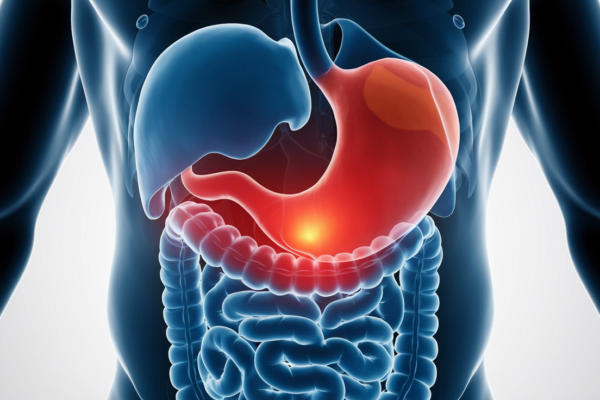
Stomach Pain
Why You Have Stomach Pain After Eating (And What
Stomach pain after eating is abdominal discomfort that occurs during or shortly after meals, affecting approximately 25% of adults worldwide....

Get evidence-based answers about pain symptoms, causes, and treatments. Our content is researched from peer-reviewed medical sources to help you make informed health decisions.
Select a body area to find answers about specific pain conditions
Our most recent evidence-based articles on pain conditions and treatments
Stomach pain after eating is abdominal discomfort that occurs during or shortly after meals, affecting approximately 25% of adults worldwide....
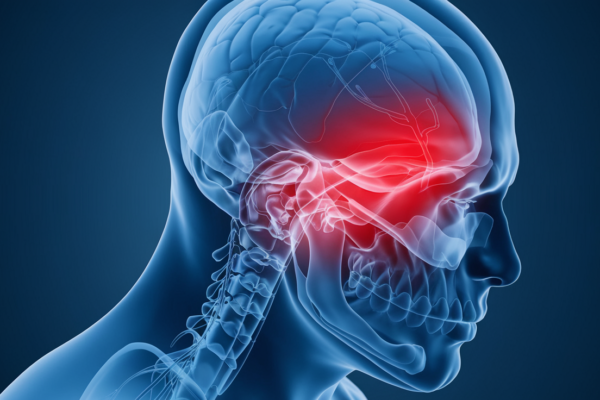
Head pain when coughing is a sharp, stabbing sensation that occurs in the head during or immediately after coughing episodes....
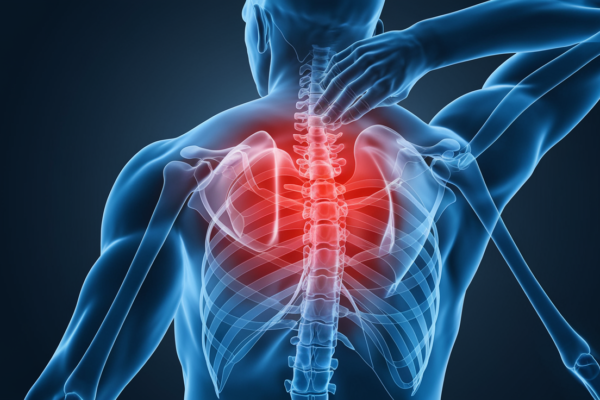
Lower back pain during periods affects up to 84% of women and is caused by hormonal changes and uterine contractions....
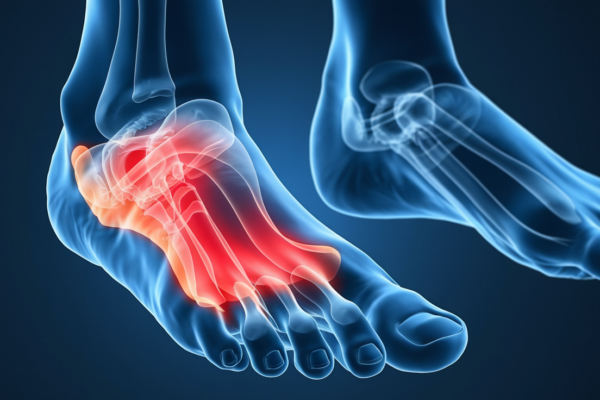
Foot pain from running affects up to 79% of runners annually and typically presents as sharp, aching, or burning sensations...
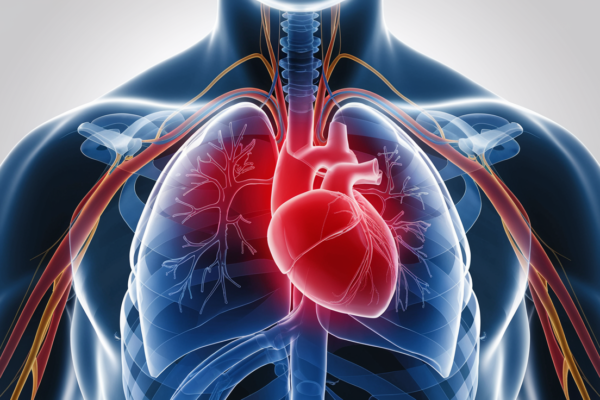
Chest pain when moving is discomfort in the chest area that worsens with physical activity, body positioning changes, or breathing...
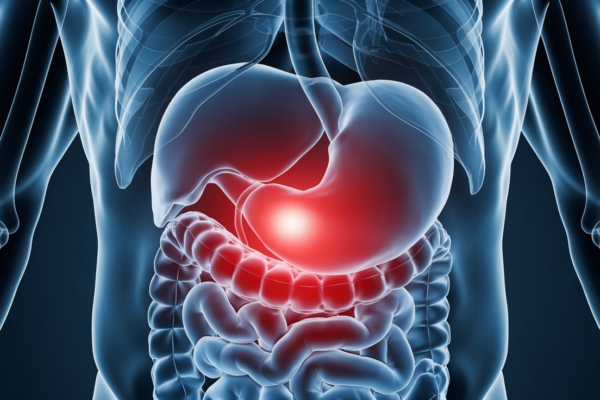
Stomach pain when coughing occurs when the muscles in your abdomen contract forcefully during coughing episodes, causing discomfort or sharp...
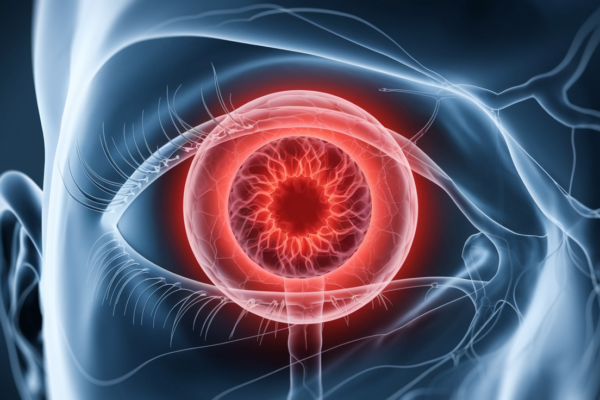
Eye pain with pressure is a common condition affecting approximately 15% of adults annually, characterized by aching, throbbing, or sharp...
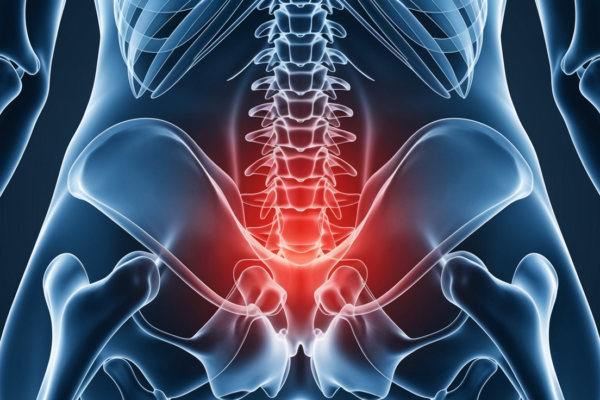
Tailbone pain when sitting, medically known as coccydynia, affects the triangular bone at the base of your spine. This condition...
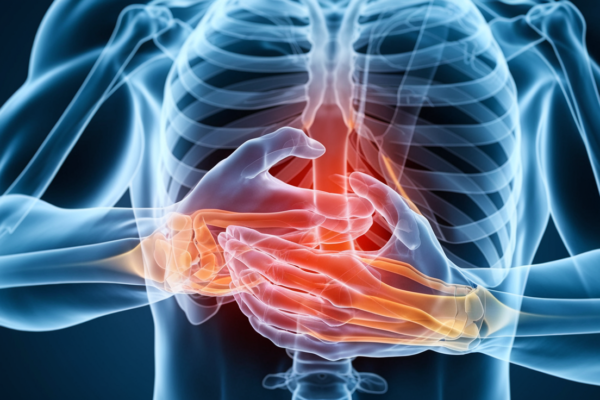
Wrist pain when bending affects over 25 million Americans annually and involves sharp or aching discomfort during flexion or extension...
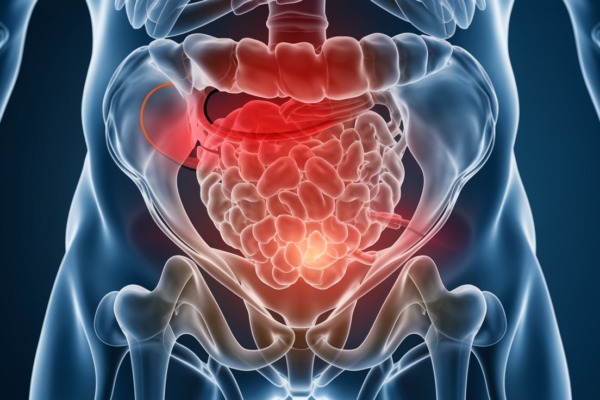
Pelvic pain when lying down at night is persistent discomfort in the lower abdominal and pelvic region that worsens during...
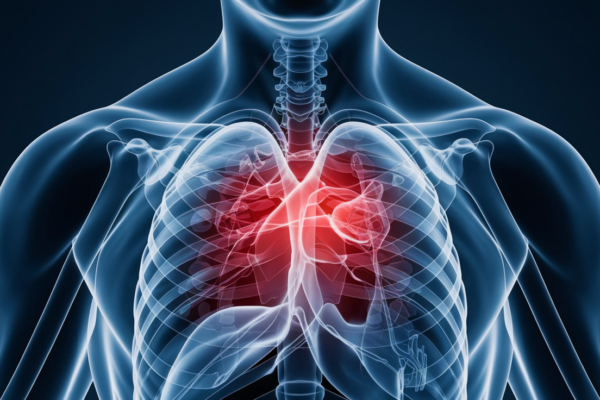
Chest pain when lying down is a concerning symptom that affects approximately 15-20% of adults with heart-related conditions. This positional...
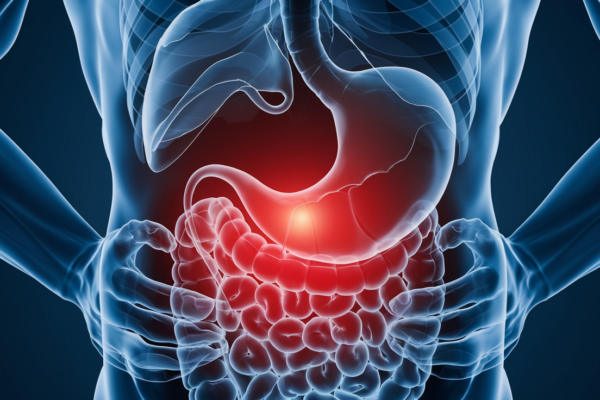
Stomach pain in the morning affects millions of Americans, causing discomfort that typically occurs upon waking or within hours of...
Our commitment to accurate, helpful health information
Every article cites peer-reviewed studies, government health agencies, and established medical institutions. We prioritize recent research from 2022-2026.
We're transparent about what we are and aren't. Our content is educational, not a substitute for professional medical advice. We always recommend consulting healthcare providers.
Medical knowledge evolves. We regularly review and update our content to reflect the latest research findings and treatment guidelines.
Our editorial guidelines ensure accuracy, objectivity, and completeness. We follow established health content best practices and cite all claims.
We take health information seriously. Here's how we make sure you're getting reliable answers.
Every article draws from 15-30 medical sources—peer-reviewed studies, health agencies like the CDC and NIH, and trusted institutions.
Medicine evolves fast. We focus on research from the past few years so you're not reading outdated advice.
We're here to inform, not replace your doctor. Every article reminds you to seek professional medical advice for your specific situation.
Medical jargon helps no one. We write in plain language so you can actually understand what's going on with your body.